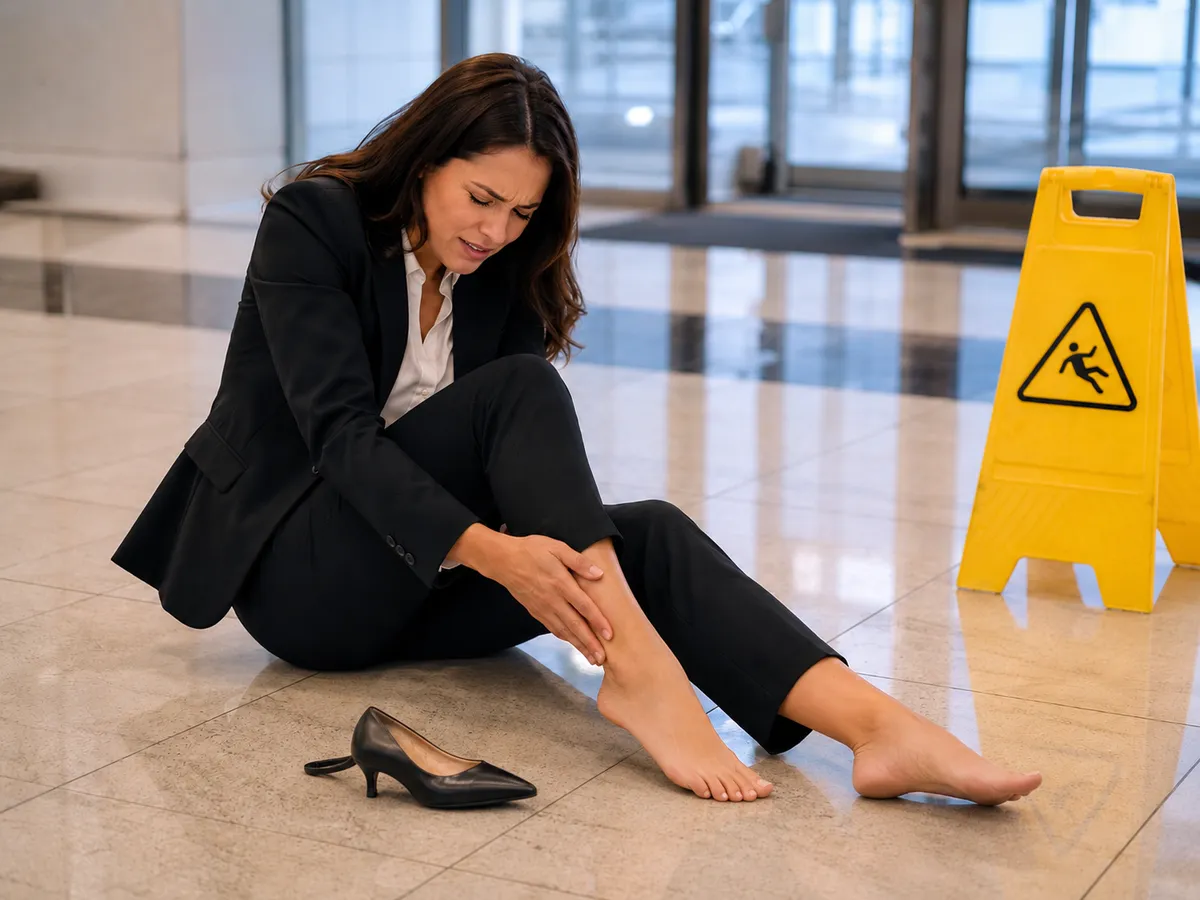
Falls occur fast and can leave long-lasting discomfort. From wet store floors to broken stairs, many injuries are linked back to risky residential or commercial property.
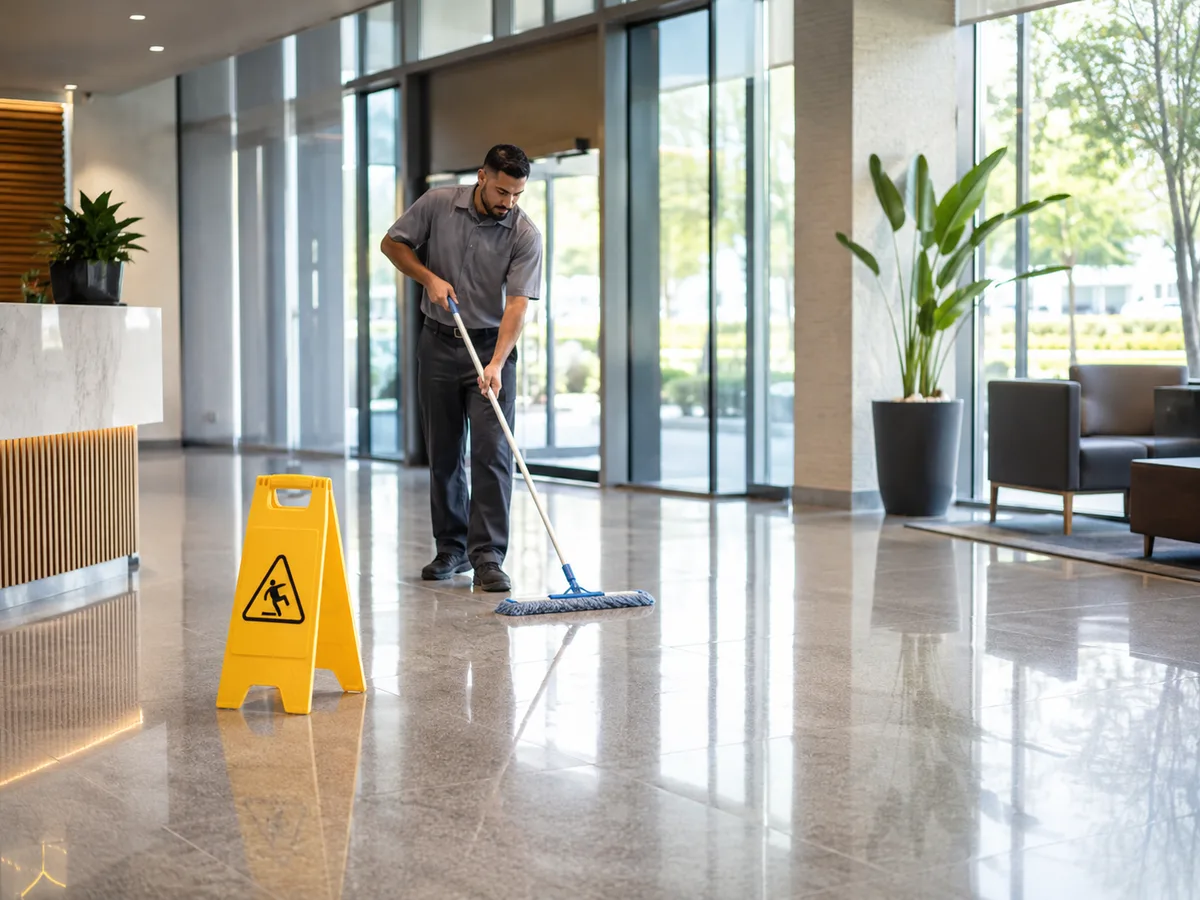
Falls occur fast and can leave long-lasting discomfort. From wet store floors to broken stairs, many injuries are linked back to risky residential or commercial property. In New York, the law requires homeowners to produce safe areas. Individuals can get injured if they fail to address a risk or offer caution. That is where home obligation starts.
We help people who get injured in risky locations. Our task is to safeguard your rights and assist with your claim step by step. In this blog site, we explain what homeowners must do, why it matters, and how we support you through the process.
Homeowners should keep their residential or commercial property safe. This includes homes, stores, walkways, stairs, corridors, and parking lots. The law anticipates them to:
This responsibility applies to organizational spaces, apartments, and personal homes. Fall threats grow when owners ignore this task. If someone gets hurt due to hazardous conditions, the law can hold the owner accountable.
We help show this responsibility in your case. We take a look at the residential or commercial property, collect evidence, and explain how the injury links to the owner's actions. Our team understands how small issues can cause huge discomfort, and we do everything to advance the full image of what happened and why it must not have.
New York has many structures, tight sidewalks, and busy services. All bring fall risks. Here are some threats owners should fix or cautious about:
These issues may appear small. However, they cause real damage. A slip on a damp tile or a trip over a broken curb can lead to damaged bones, head injuries, or long-term pain. Owners need to act fast to remove risk and avoid damage.
We work to demonstrate how these hazards impact your life. We discuss clearly how the accident occurred and why much better care would have stopped it.
Excellent residential or commercial property care prevents injuries. Here are actions every homeowner should take:
These actions secure both visitors and the homeowner. Doing something about it shows care and satisfies the legal task. Homeowners who follow these actions lower dangers, safeguard individuals, and avoid legal problems.
f a homeowner sees a hazard but does nothing, that puts visitors in danger. In New York, that can lead to a legal claim. If somebody gets hurt due to a known threat, the hurt person can:
We help collect the proof you need. We demonstrate how the owner knew about the threat and failed to act. That assists in building a strong case for full payment.
We check out previous complaints, maintenance logs, and video footage. Our group speaks to witnesses and gets expert opinions to show the full facts of the scenario.
We support fall injury victims at every step. Our team deals with care and skill to:
We focus on your recovery. You deserve assistance from a legal team that shows seriousness and listens with care. From the very first call to the last result, we take each case seriously.
We know every case has a distinct story. That is why we construct a legal method that fits your scenario and your needs.
You require a group that listens and acts quickly. We do both. Clients choose us because:
You are not simply a case or a file number. You are somebody who deserves to be heard and treated with regard. We are here to make certain your voice gets the strength it requires.
This article is general information about New York law, not legal advice, and reading it does not create an attorney-client relationship. Every case turns on its own facts. For advice about your situation, call (718) 878-1177 or contact us.

You may still have a case. We establish the facts and the evidence showing how the unsafe condition caused your injury.
Yes. In New York, shared fault does not block your claim. You can still get compensation based on your level of obligation.
You might get money for hospital bills, therapy, medication, lost earnings, discomfort, emotional distress, and future care costs.
Pictures assist, but they are not the only method. We use witness stories, inspections, and reports developing your case.
Away. Waiting can injure your case. Quick action assists in protecting your rights and conserves crucial proof.
The public home has various guidelines. You still have rights. However, the deadlines are shorter. We handle these cases with care and precision.
Some cases settle with the insurance provider. Others litigate. We prepare you totally from the first day, so you are all set either way.
We work on a contingency fee, so the fee comes out of a recovery and there is no fee if there is no recovery. The initial consultation is free.
That does not end the case. We look for evidence that the hazard was present when you fell. We use statements, videos, and reports.
In New York, most personal injury lawsuits must be started within three years of the date of the injury (CPLR 214(5)). If a city, public authority, or other public entity is involved, the deadlines are much shorter: a written notice of claim is generally due within 90 days of the incident (General Municipal Law 50-e), and the lawsuit must be started within one year and 90 days (General Municipal Law 50-i). Which deadline applies depends on who is responsible, so confirm it early rather than assuming the three-year figure covers your case.
A free consultation is the fastest way to find out where you stand and what your options actually are.