Trip and fall accidents trigger serious injuries that interrupt lives and produce unanticipated challenges.
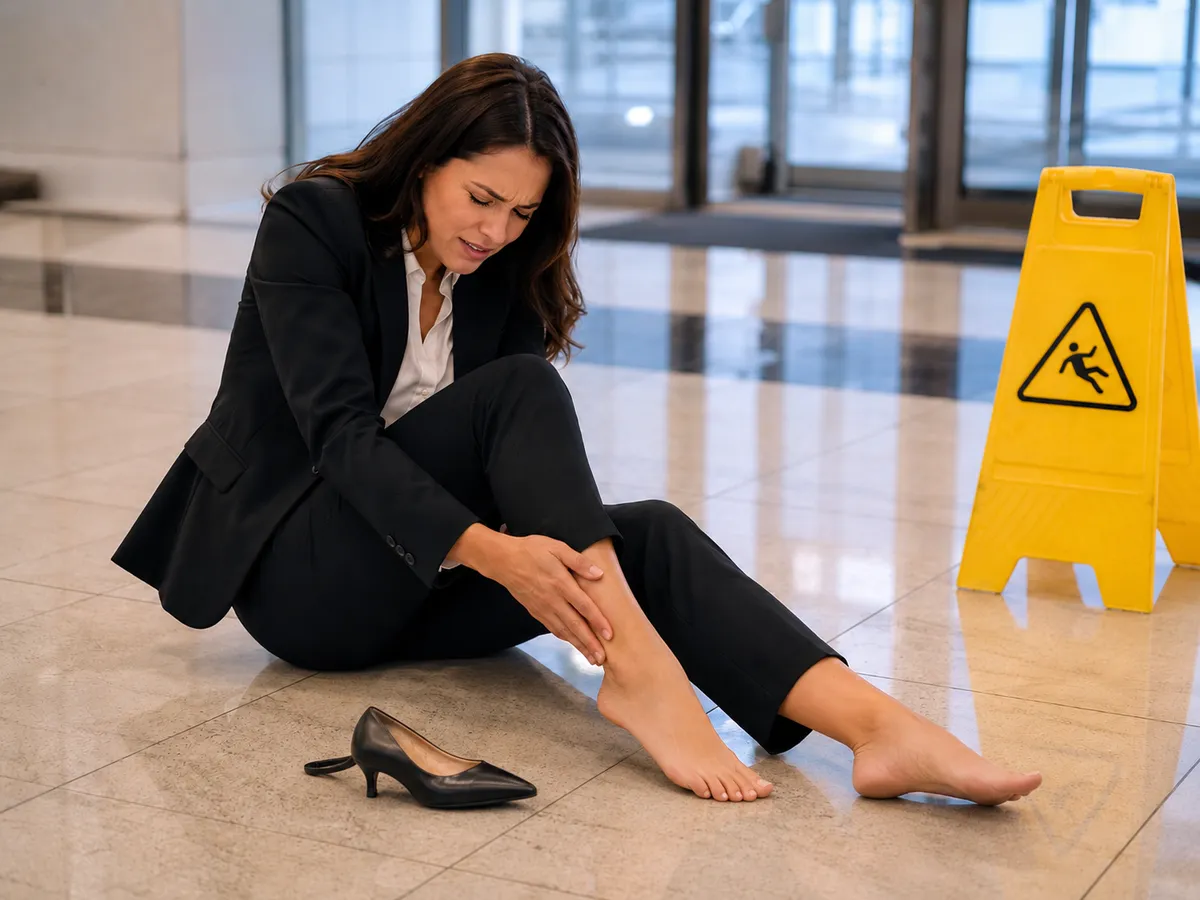
Trip and fall accidents trigger serious injuries that interrupt lives and produce unanticipated challenges. In New York, homeowners and supervisors hold the responsibility to maintain safe environments and alert visitors of dangers. When unsafe conditions cause a trip and fall, hurt people deserve to know their rights and call to account parties accountable.
We help injury victims understand the root causes of trip and fall accidents and how to develop strong cases for settlement. If you or somebody you care about struggles with a trip and fall injury, this guide describes common causes and how we support your legal journey in New York.
Understanding the common reasons behind trip and fall accidents can help clarify and prevent injury liability when accidents occur. Here are the primary causes discovered in New York:
Split tiles, loose floorboards, raised edges, and uneven surfaces produce prime trip dangers. In older structures and busy industrial spaces, overlooking floor upkeep triggers dangerous conditions.
Boxes, wires, loose carpets, or debris left in corridors and public spaces obstruct clear courses. When these items go unremoved or unmarked, they increase the risk of trips.
Dark corridors, stairwells, and parking lots conceal hazards and lower exposure. Inadequate lighting creates blind spots that result in missteps.
Broken, loose, or missing handrails on staircases lowers stability. Cracked, worn, or uneven steps also cause loss of footing.
Spills, leaks, or weather-related wetness, such as rain or snow, create slick floors. Failure to tidy up immediately or post caution signs triggers severe trip and fall threats.
New York City's thick metropolitan environment and seasonal weather increase the possibility of these dangers appearing in public and personal residential or commercial properties alike.
Homeowners and managers hold a legal task to maintain safe premises. This responsibility consists of examining for dangers, fixing dangerous conditions without delay, and warning visitors of potential dangers. When this responsibility is breached and causes a trip and fall injury, the injured individual may seek a settlement.
Liability depends on elements such as:
We examine these factors to establish who is responsible and how best to pursue the claim.
Taking the best actions right away after an accident can enhance your case:
Seek Medical Attention
Always prioritize health. Get inspected by a doctor and follow all care directions.
File the Scene
Take clear pictures or videos of the hazard, your injuries, and the surrounding area. Capture information such as lighting, flooring condition, and any obstacles.
Report the Incident
Notify residential or commercial property supervisors, the company owner, or relevant workers about the accident. Request a main event report for your records.
Collect Witness Information
Request for names and contact details of anybody who saw the fall or understands about the dangerous condition.
Prevent Admitting Fault
Keep statements accurate and avoid taking the blame or asking for forgiveness at the scene.
Contact us
Reach out without delay for legal recommendations. Early involvement protects proof and safeguards your rights.
We take over the evidence gathering, the dealings with insurers, and the court filings, so you can concentrate on recovery.
We offer devoted support to people hurt in trip and fall accidents. Our technique consists of:
Free Case Consultation
We examine your scenario with no charge and explain your rights and legal options clearly.
Thorough Investigation
Our group goes to the accident site, collects proof, and speaks with experts when needed to construct a strong case.
Legal Strategy Tailored to Your Case
We apply New York precedents and laws to develop the greatest arguments in your favor.
Negotiating with Insurance Companies
We safeguard you from unfair offers and negotiate aggressively for complete compensation.
Courtroom Representation
We prepare to battle for you in court with competent advocacy if settlement negotiations fail.
Client Communication and Support
You get timely updates and clear descriptions through every step.
We fight to recuperate damages for medical costs, lost salaries, pain and suffering, and long-lasting effects.
We stick out for these factors:
Our knowledge of local and state guidelines assists construct cases that win.
You get individual attention from real individuals who listen and care.
Anticipate timely replies to questions and clear interaction.
We work on a contingency fee, so the fee comes out of a recovery and there is no fee if there is no recovery.
We have a track record of securing fair settlements and verdicts that support client healing.
We commit to standing with you throughout the legal procedure to accomplish the very best result.
This article is general information about New York law, not legal advice, and reading it does not create an attorney-client relationship. Every case turns on its own facts. For advice about your situation, call (718) 878-1177 or contact us.

Irregular floors, cluttered walkways, poor lighting, faulty stairs or hand rails, and wet surface areas.
Homeowner or managers who fail to keep safe conditions or warn visitors.
Seek treatment, record the scene, report the accident, gather witness info, and contact us.
Yes. New York law allows settlement even if fault is shared.
In New York, most personal injury lawsuits must be started within three years of the date of the injury (CPLR 214(5)). If a city, public authority, or other public entity is involved, the deadlines are much shorter: a written notice of claim is generally due within 90 days of the incident (General Municipal Law 50-e), and the lawsuit must be started within one year and 90 days (General Municipal Law 50-i). Which deadline applies depends on who is responsible, so confirm it early rather than assuming the three-year figure covers your case.
No. Fees apply only after a successful recovery.
Pictures, videos, witness statements, incident reports, and medical records.
Yes. Inadequate lighting that adds to accidents can establish neglect.
Many cases settle, but we prepare thoroughly if court is required.
Experienced New York lawyers, personal service, clear communication, and a contingency fee.
A free consultation is the fastest way to find out where you stand and what your options actually are.