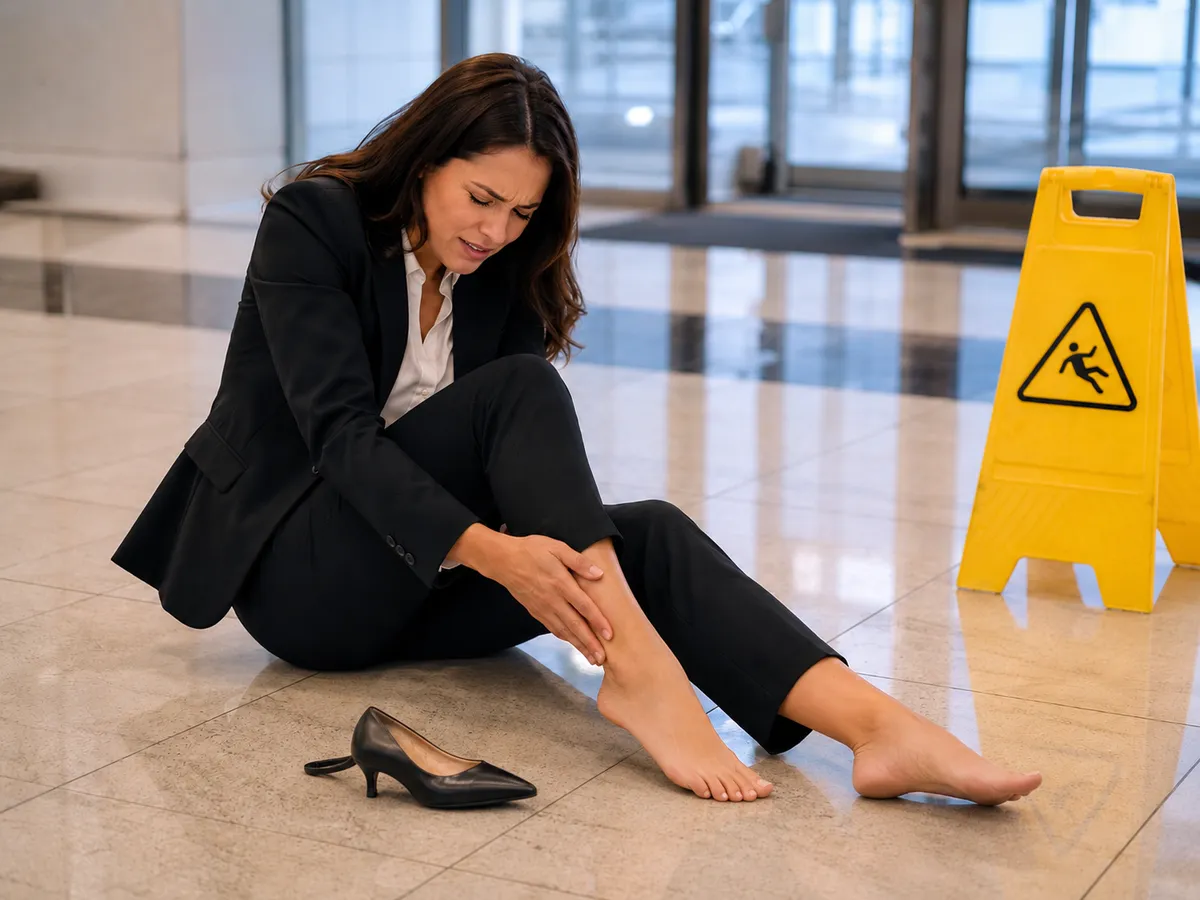
Construction sites in New York present many dangers for employees. Every day, the environment challenges safety with heavy equipment, heights, and complex tasks.
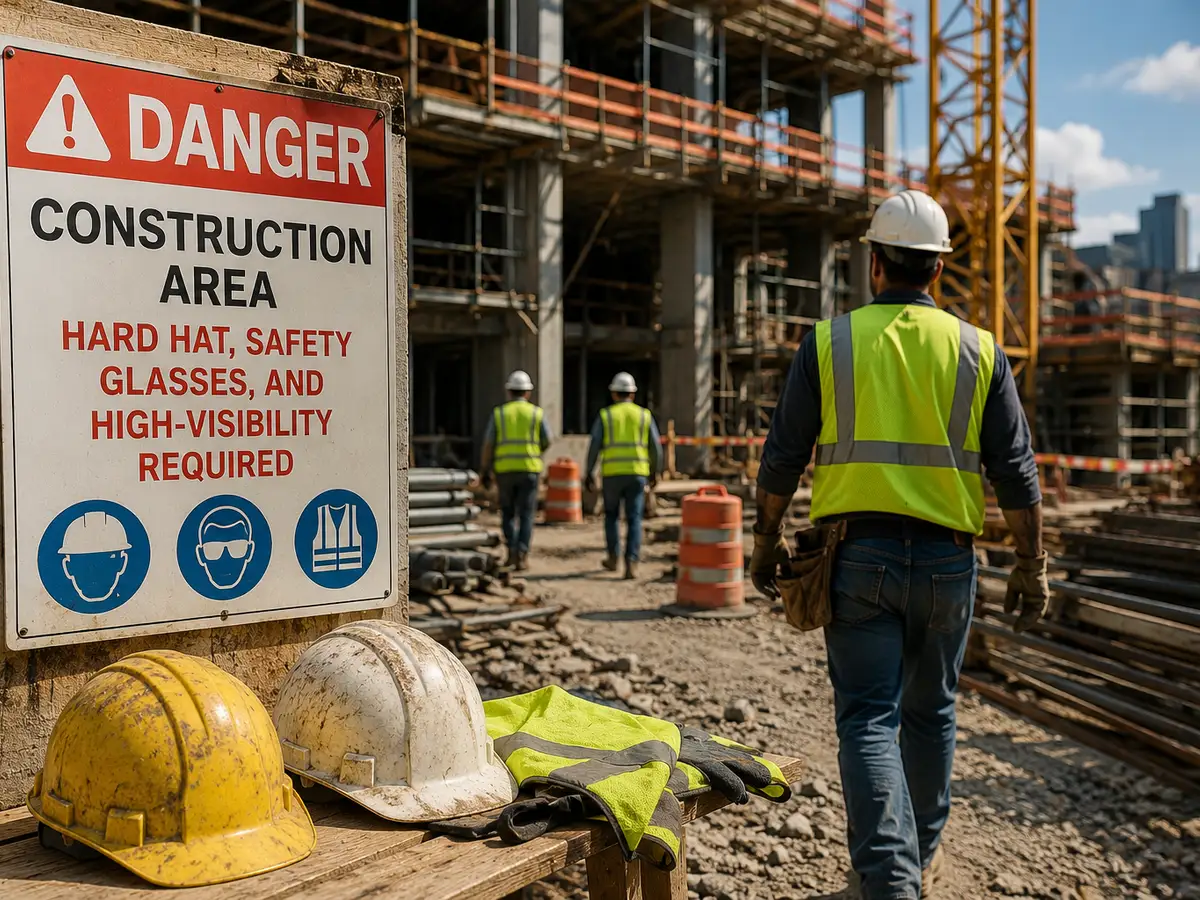
Construction sites in New York present many dangers for employees. Every day, the environment challenges safety with heavy equipment, heights, and complex tasks. Without correct safety procedures, accidents happen and lives are changed permanently. Putting safety first on a construction site protects workers and builds a culture of obligation.
We protect New York construction workers who get harmed on the job. With deep experience in building accident law, we fight tough to get reasonable settlements and justice. This blog explains why security protocols on New York building websites are important, what key procedures secure workers, how we support injured workers, and why we stand apart as a reliable advocate.
Construction sites in New York move quickly and involve many hazards. Without clear security protocols, the danger of injury skyrockets. Safety protocols provide important defense for employees by:
In New York, construction businesses have a legal duty to preserve safe worksites. Disregarding safety procedures puts employees at risk and exposes companies to liability. Every worker deserves a safe environment, and procedures make that possible.
Efficient safety protocols cover all elements of building work. Here are a few of the most crucial:
Falls remain among the leading causes of injury and death on building sites. New York City law requires companies to install guardrails, safeguards, or personal fall arrest systems when workers work at heights over six feet. Routine evaluations and training make sure these systems work effectively to keep employees safe.
Construction hats, safety goggles, gloves, steel-toed boots, and high-visibility vests secure employees from a variety of dangers. Building websites requires employees to use appropriate PPE and provide needed devices. Appropriate use and maintenance minimize the risks of injuries like head trauma, burns, or eye damage.
Heavy machinery such as cranes, forklifts, and power tools requires rigorous security checks before use. Routine assessments capture flaws early, preventing accidents caused by device failure.
Workers require clear information about prospective dangers on-site. Reliable hazard interaction programs offer security information sheets, labels for chemicals, and ongoing training. Educating workers helps them recognize dangers and follow safe work practices every day.
A clean, organized worksite minimizes trip and fall risks. Proper disposal of waste, storage of tools, and clear pathways assist workers in moving safely. Simple housekeeping rules avoid many accidents.
Even with strong safety procedures, accidents take place. When injury occurs, we step in to safeguard workers and help them get justice. Here is how we support hurt construction workers:
our objective is to relieve stress and battle for the very best possible result for injured workers.
Many New York construction workers turn to us because:
Choosing us means working with a reliable partner dedicated to your recovery and legal success.
This article is general information about New York law, not legal advice, and reading it does not create an attorney-client relationship. Every case turns on its own facts. For advice about your situation, call (718) 878-1177 or contact us.

Fall security, PPE, equipment safety, danger interaction, and clean worksites are among the necessary procedures.
Report the injury immediately to your employer, get medical treatment, and contact us to secure your rights.
Yes. If another celebration, such as a subcontractor or device maker, shares fault, you might pursue third-party claims.
Workers’ compensation runs separately: written notice to your employer within 30 days of the accident (Workers’ Compensation Law 18), and the claim itself filed within two years (Workers’ Compensation Law 28). A separate personal injury claim against a party other than your employer, such as a property owner or a general contractor, runs on the three-year period in CPLR 214(5). Which deadline applies depends on who is responsible, so confirm it early rather than assuming the three-year figure covers your case.
No. We work on a contingency fee, so the fee comes out of a recovery and there is no fee if there is no recovery. That makes legal assistance available.
Injuries vary from cuts and fractures to major falls, head trauma, and spine injuries.
That depends upon your medical professional’s suggestions and injury intensity. We help you understand your rights during recovery.
Medical costs, lost wages, pain and suffering, and long-term impairment benefits might be available.
We examine your accident, gather proof, and develops a strong case showing unsafe practices or lack of safety procedures.
We provide regular updates and stay reachable to answer questions throughout your case.
A free consultation is the fastest way to find out where you stand and what your options actually are.