Like any other workplace, construction sites come with their unique challenges and dangers. New York construction workers find themselves in constant danger due to the very nature of their work.
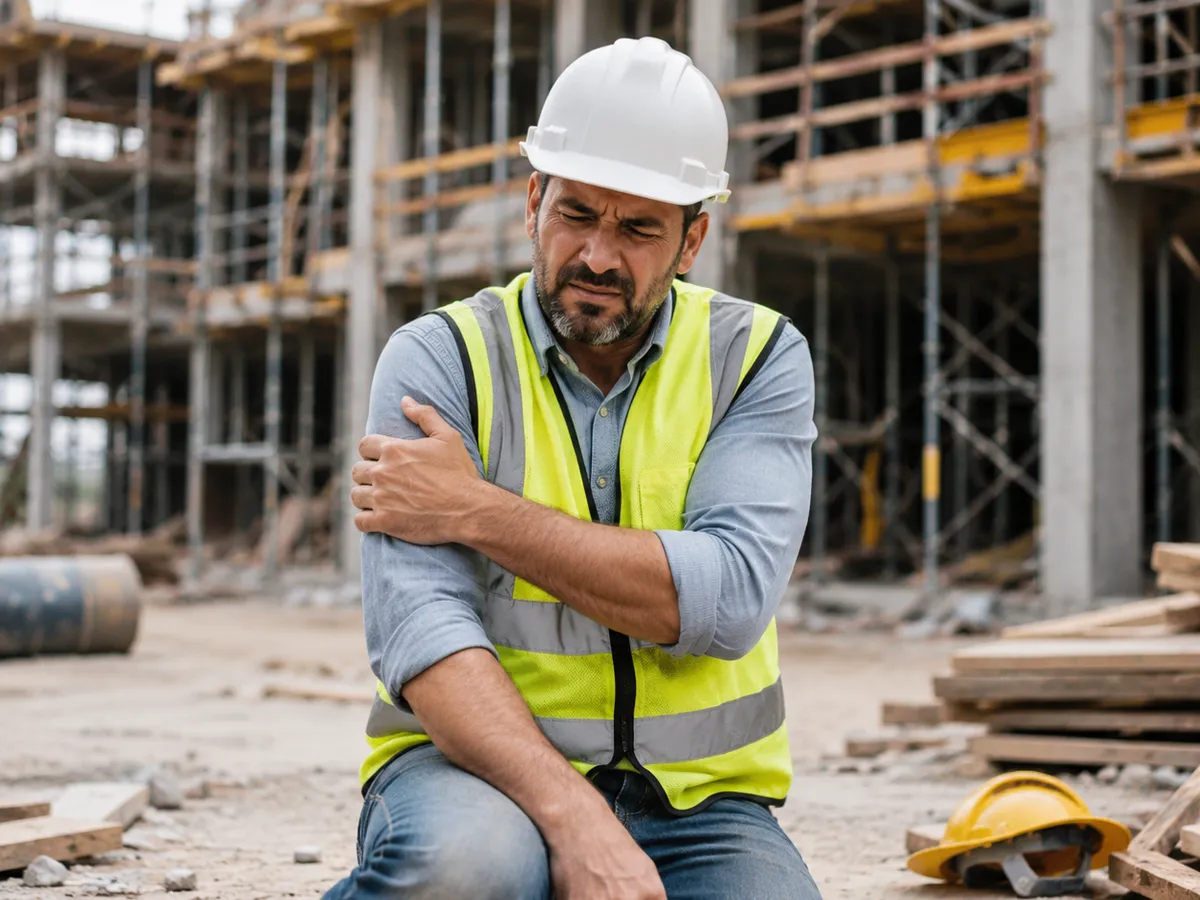
Like any other workplace, construction sites come with their unique challenges and dangers. New York construction workers find themselves in constant danger due to the very nature of their work. Heavy machinery, work at height, and the number of separate contractors on a single site make this one of the most dangerous industries in the state.
If you were hurt on a site, you may have two separate claims running at once: a workers’ compensation claim against your employer, and a Labor Law claim against the site owner or the general contractor. We handle both, and the second is where most of the recovery usually comes from.
Statistically, construction is one of the most dangerous fields in America. The New York Division of The U.S. Bureau of Labor Statistics reported 69 workplace deaths within the NYC area in 2023. Out of these, 24 were construction related which included falls and slip accidents, equipment use accidents, and electric shocks.
As stated by OSHA, construction workers only make up about 6% of the total workforce in America, yet they make up roughly 20% of total workforce deaths. The “Fatal Four,” which includes falls, being struck by an object, electrocution, and being caught in or between an object, accounts for over 60% of construction deaths.
Besides death, construction injuries across New York City carry a financial cost as well. Due to unsafe working environments, lack of safety equipment, or non-compliance with regulations, thousands of construction workers are injured every year. The four hazards break down as follows:
Caught-in or caught-between accidents make up the remainder of the four.
Construction site incidents occur because of:
Negligence: Not observing safety measures, which causes injuries or loss of life.
Common injuries resulting from construction accidents include:
Burns and Electrocution Injuries: Sustained from on-site electrical hazards.
To protect all workers, New York created strict construction safety rules and regulations. Here we talk about some key regulations:
Violations of these rules carry serious legal and financial consequences for owners and contractors, and a documented violation is often what establishes liability in a Labor Law claim.
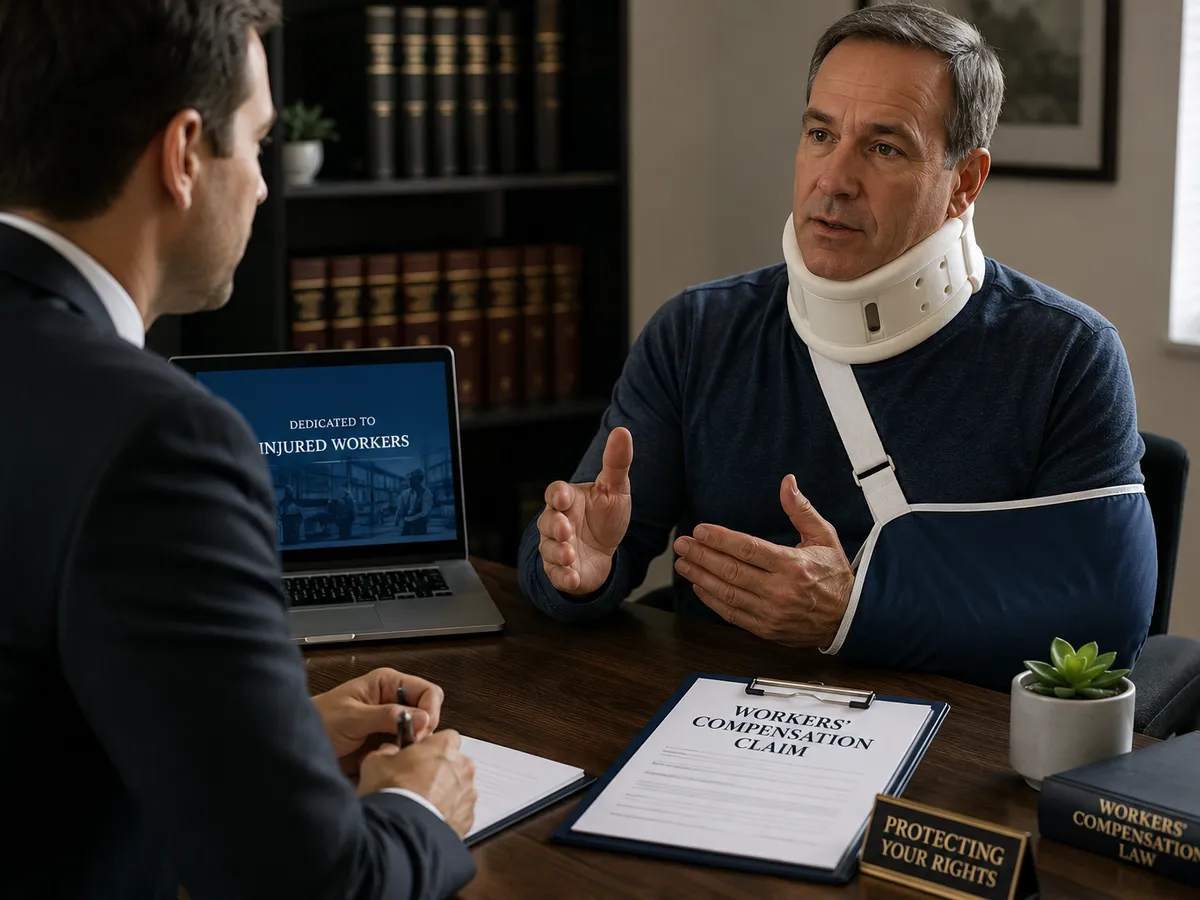
The following actions can assist a construction accident victim:
A construction injury usually means lost income at the same moment the medical bills start, and a claim that runs on two tracks at once. Here is what we help:
We begin with the site itself, because conditions change quickly and records get archived. We obtain:
On a Labor Law claim the question is usually whether the required safety equipment was provided and whether it worked, so the inspection records and equipment logs matter as much as the medical evidence.
Insurance companies always want to reduce their payouts, and they can resort to tactics to outright deny claims. We:
We deal with the carriers directly, so you are not being asked for a recorded statement while you are still in treatment.
Construction cases frequently involve several potentially responsible parties, each with its own insurer and its own account of what happened. We:
4. Help With Medical Treatment and Recovery Support
We help you obtain the required medical treatment with proper documentation to substantiate your claim. Our team does the following:
Getting you properly treated and properly documented are the same task, because the medical record is what the claim is ultimately paid on.
5. Maximizing Your Compensation
You deserve more than just your medical bills covered. We fight to recover:
We don’t settle for less than you are entitled to.
Every construction accident case is different. We:
We’re not just your attorneys, we’re your advocates, partners, and support system throughout your recovery journey.
We take over dealing with the insurers and the other defendants so that you can concentrate on your treatment. You deal with an attorney directly, and your calls are returned. We handle construction accident matters on a contingency fee, so the fee comes out of a recovery and there is no fee if there is no recovery. The initial consultation is free.
This article is general information about New York law, not legal advice, and reading it does not create an attorney-client relationship. Every case turns on its own facts. For advice about your situation, call (718) 878-1177 or contact us.

In case you are injured at a construction site, as a first step, seek prompt and suitable medical care, even if the injury is minor. Inform the supervisor about the incident and record the scene as well as any witness’s details for future testimony. It is best to reach out to a construction accident attorney as soon as possible to ensure that your rights will be upheld.
In New York, most personal injury lawsuits must be started within three years of the date of the injury (CPLR 214(5)). A construction case often runs on more than one clock at once. Workers’ compensation runs separately: written notice to your employer within 30 days of the accident (Workers’ Compensation Law 18), and the claim itself filed within two years (Workers’ Compensation Law 28). If a city agency or public authority owns or controls the site, a written notice of claim is generally due within 90 days (General Municipal Law 50-e) and suit must be started within one year and 90 days (General Municipal Law 50-i). Which deadline applies depends on who is responsible, so confirm it early rather than assuming the three-year figure covers your case.
Yes. New York applies pure comparative fault under CPLR 1411, so sharing some of the fault reduces your recovery by your share rather than barring it. Labor Law 240(1) claims work differently again: on an elevation-related claim, comparative negligence is generally not a defense at all, so a worker’s own carelessness does not reduce the recovery. The exception is where the worker’s own conduct was the sole proximate cause of the accident. It is worth asking whether your case falls under this section.
Falls from a height, malfunction of tools, failure to use necessary safety equipment, poor safety equipment, lack of safety training, and general failure to observe safety measures are some of the more notable causes. Low-quality site conditions may also be caused by carelessness on the part of the employers.
At the construction site, the injuries that may be sustained include traumatic brain injury, spinal cord injury, fracture, burn, amputation, and soft tissue damage. The severity of these injuries greatly depends on the nature of the accident.
Generally, the legal framework for workers’ compensation in New York restricts the ability to sue one’s employer. However, if the accident is partly caused by an outside entity, such as a subcontractor, or a piece of equipment that was brought to the construction site. You would be able to sue them in personal injury litigation.
We run the workers’ compensation claim and the Labor Law claim against the owner or general contractor alongside each other, secure the site records and inspection reports before they are archived, deal with the insurers, and bring proceedings where the offer does not reflect the case. We work to recover the maximum compensation that is due to you.
Yes. Pain and suffering, emotional injury, and reduced quality of life are recoverable as non-economic damages. Note that workers’ compensation does not pay for these, which is one of the main reasons the separate Labor Law claim matters.
A free consultation is the fastest way to find out where you stand and what your options actually are.