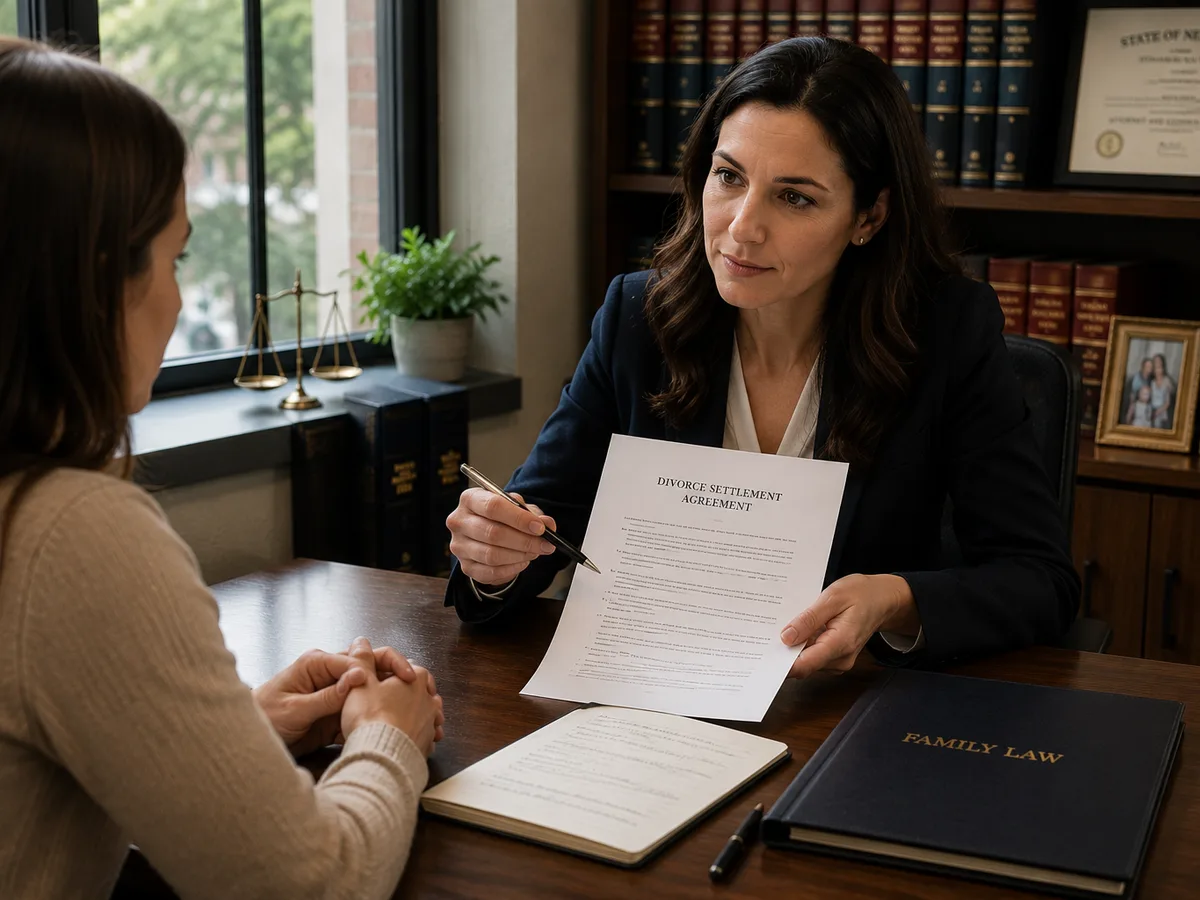
Family law cases in New York City can get tricky when a protection order impacts parenting time.
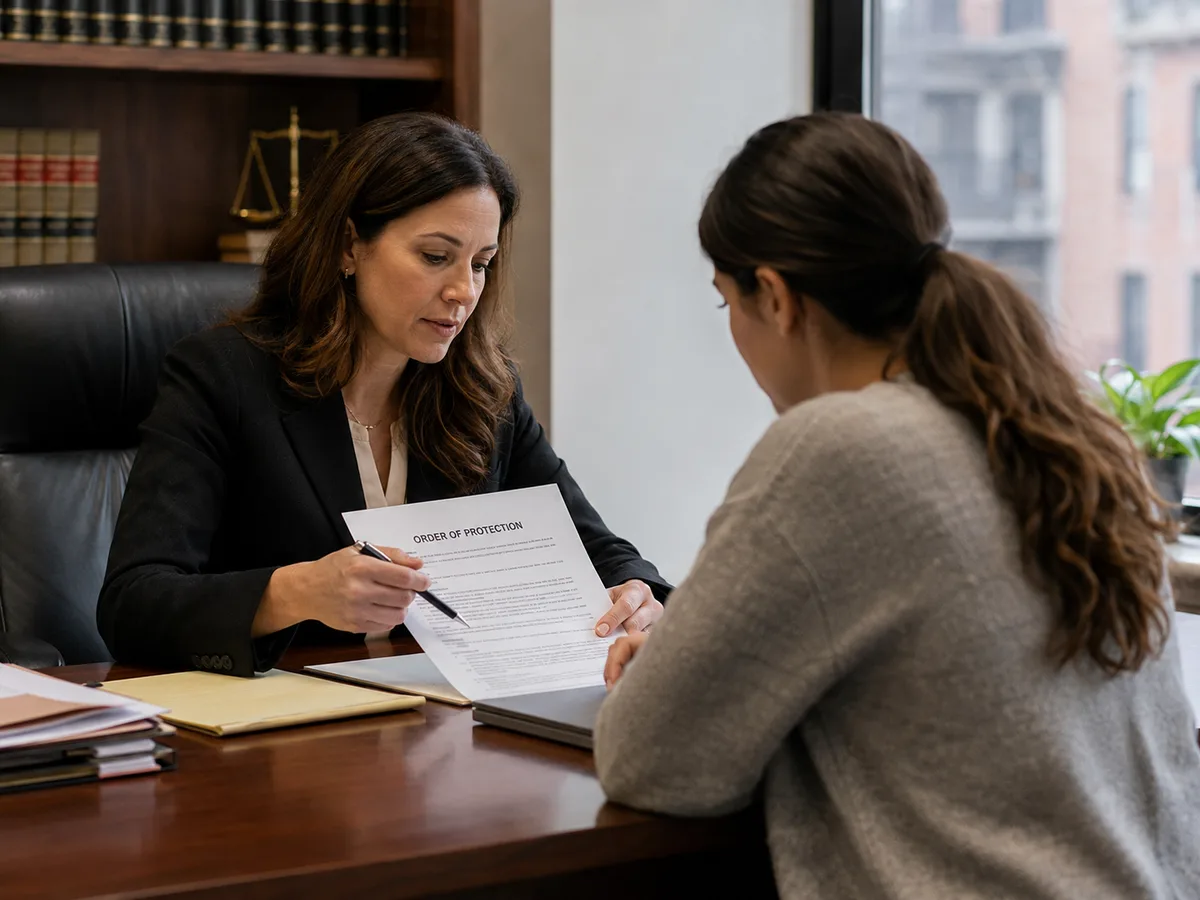
Family law cases in New York City can get tricky when a protection order impacts parenting time. Court-issued protection orders are designed for safety, but they interfere with custody arrangements and visitation rights.
The order can stem from domestic violence, child abuse, or even threats, but it is imperative to know how such orders impact the family structure.
we can help in these cases and protect their rights in such sensitive matters. Any parent wishing to have a positive relationship with their child. Dealing with a restraining order, will need to understand how these issues are complexly connected legally.
A protection order is one regarding an individual’s specific behavior that restricts their movement and ensures the safety of another. The domain of domestic violence, harassment, and threats is where most restraining orders stem from in the first place.
Protecting order can include, but is not limited to, curbing the ability of a charged party to contact, call, approach, or so much as be close to the protected person or even their house.
New York City has issued several restraining orders, which can be found under the following legislation, including:
For guardians bound by a protection order, it is important to know what this legal action entails, especially in regard to parenting time
In family law, parenting time is defined as the time allocated to a parent for interaction with their child. A protection order is usually accompanied by a modification of parenting time to enhance the safety of the child and the other parent. These are the common ways protection orders influence parenting time:
The parent who is served a protection order against them will likely have modified access. Do the child supervised visits rather than unsupervised access. Safeguarding the child’s well-being during these visits is the responsibility of an appointed neutral third party.
If the court generally considers the situation to be highly volatile or dangerous, the visits may be put on hold until further court review. A judge will consider the facts of the case to decide, and the visits are permissible.
Prohibitive orders based on claims of domestic violence or suspected child abuse may lead to custodial reversals of a custodial arrangement. In this case, the court might change physical custody or legal custody just to make sure the child does not come to harm.
Emergency orders of protection can be granted on less than adequate notice if they seek to deal with a danger that requires urgent attention.
In situations where there is a protection order in place, the law will check the suitability of the parent who has been accused. In light of their domestic violence or child abuse, the court has to work out alternative visitation periods.
Permissive safety approaches may be granted with regard to the enforcement of the protection order. This stipulation may include ensuring that the visits are conducted at designated areas, such as a supervised approach, or at neutral places.
Contending with a protection order as it relates to your parental time is a difficult journey, emotionally and physically. We understand the stressors of family law cases and complexities involving protection orders, and we are willing to assist you at every step. Our family law attorneys will take you through the whole matter, with your rights protected without compromising the child’s best interests. Here’s what we can do for you:
We offer expert legal counsel. Termination of custody, request for supervised visitation, or any orders given can be contested with the help of our skilled representatives. Our team will make sure you are adequately represented.
Our attorneys ensure that your rights will have legal protection where a protection order has negatively impacted your access to the child. Our fight is for parent’s rights while ensuring that the safety of the child comes first.
our team understands how to navigate custody or visitation arrangements resulting from protection orders. We will help file changes and modifications to the necessary legal documents. Your family will be represented and all legal recourses pursued.
Cases involving domestic violence, child abuse, or other serious allegations require skilled legal guidance. We have significant experience in handling sensitive family law matters and will work tirelessly to ensure your case is handled with care and expertise.
In some cases, mediation may be an appropriate solution. We offer mediation services to help parents resolve disagreements over parenting time, which can reduce the need for prolonged court battles.
Every family is different. We take the time to learn from clients and develop strategies that meet the requirements of safety for every child involved, the goals that need to be achieved, and any other considerations that need to be addressed legally.
When it comes to complicated family law issues, especially those with protection orders or parenting time considerations, choosing the right lawyer is critical. Here are the reasons we are different:
Comprehensive Family Law Expertise: We provide protective orders and custody dispute resolutions and other legal services aimed at taking you step-by-step through the process.
This article is general information about New York law, not legal advice, and reading it does not create an attorney-client relationship. Every case turns on its own facts. For advice about your situation, call (718) 878-1177 or contact us.

A protection order is a legal order issued by the court to prevent contact or harassment between individuals. It can affect custody and visitation rights, depending on the case.
Yes, a protection order can change your parenting time. The court will review the case to ensure the child’s safety, and visitation may be modified, suspended, or supervised.
Violating a protection order can lead to criminal charges, fines, and other legal consequences. It is critical to adhere to the conditions outlined in the order.
To modify custody, you must file a petition in family court. A judge will evaluate the situation and determine whether a modification is necessary for the safety and well-being of the child.
Supervised visitation involves a neutral third party overseeing the time spent between the noncustodial parent and the child. This measure ensures the child’s safety during visits when a protection order is in place.
A free consultation is the fastest way to find out where you stand and what your options actually are.