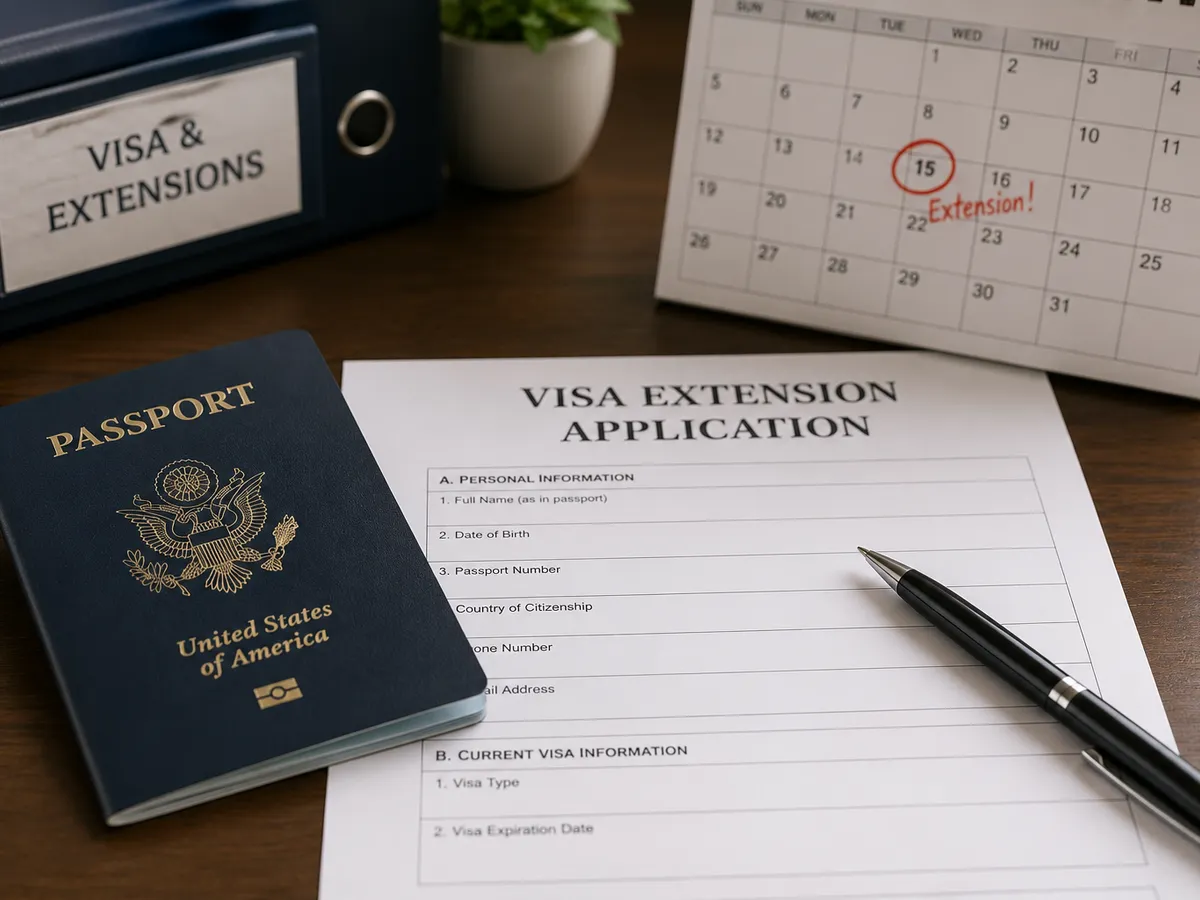
Moving forward with an employment-based visa application can feel overwhelming. With a deep understanding of immigration laws and years of experience, we are all set to assist you every step of the way.

Moving forward with an employment-based visa application can feel overwhelming. With a deep understanding of immigration laws and years of experience, we are all set to assist you every step of the way.
This blog site highlights essential tips and necessary info to empower your journey towards protecting an employment-based visa. Let's dive into the crucial actions and methods we can make a distinction for you.
Knowing the particular visa classification that fits your professional goals lays the structure for success. Employment-based visas are divided into various categories based on skills, job offers, and qualifications.
We help you work out which category fits, so you apply under the one that matches your professional background and plans. Correct classification prevents hold-ups and unneeded problems.
Collecting the right files forms the backbone of your visa petition. This includes proof of education, work experience, employer sponsorship letters, and any pertinent licenses or certifications. Missing out on or incomplete paperwork causes delays and might cause rejections.
Preparation consists of obtaining transcripts, degrees, letters verifying job tasks, and records of previous immigration statuses if any. Labor certification from the Department of Labor may be essential for permanent residence classifications, verifying no qualified U.S. worker is available for the position.
We assist clients with in-depth checklists and document reviews to validate whatever meets USCIS requirements. Starting this early minimizes last-minute stress and keeps your case moving smoothly.
The visa process demands stringent adherence to deadlines and procedural requirements. Types must be precisely completed, fees submitted on time, and updates reported promptly. Little errors in filing or timing can cause significant obstacles.
Some petitions require filing throughout narrow windows, like H-1B petitions for April submissions, making punctuality important. Keeping valid status throughout also avoids unintended gaps that could affect future applications.
We supply comprehensive case management and regular updates to clients. We keep track of all deadlines and coordinate interaction with federal government firms to keep your application on track.
Clear communication between you, your company, and immigration officials ensures transparency throughout the procedure. Employers play a crucial function in sponsorship and supporting documentation. Immigration officers frequently request additional evidence or explanations.
Employers might be required to offer in-depth task descriptions, assistance letters, and attestations during audits or Requests for Evidence (RFEs). Open and prompt interaction can make a definitive difference in getting rid of administrative difficulties.
We keep the employer and the employee on the same page, which matters because a petition depends on both. We advise on how to respond to requests for evidence and how to prepare for any interview.
Immigration policies and policies can change, impacting your visa choices and requirements. Keeping up to date assists you in making informed decisions and avoiding surprises.
Policy shifts may include modifications to visa caps, prioritization of particular visa classifications, or alterations to eligibility guidelines. For instance, USCIS might update premium processing availability or revise guidelines for work permission.
We keep clients informed with the most recent updates and offer tactical advice tailored to existing laws. If required and takes full advantage of chances of approval, this proactive technique helps clients change plans.
For many employment-based long-term house categories, labor accreditation through the PERM (Program Electronic Review Management) system is obligatory. This process validates that employing a foreign worker will not adversely impact U.S. earnings or employees.
The PERM procedure involves rigorous recruitment efforts by the employer to show no qualified U.S. workers are available for the position. This includes positioning job advertisements, evaluating applicants, and recording the recruitment results.
We help employers prepare and browse the PERM process with precision, avoiding typical mistakes that result in hold-ups or denials. Mindful documentation and compliance with Department of Labor requirements enhance this crucial action.
USCIS may call applicants for interviews, or issue RFEs to request additional detail or clarification about the petition. These can feel challenging however represent opportunities to strengthen your case.
Understanding the kinds of concerns and documentation asked for helps prepare confident and extensive actions. Any gaps in documents or unclear details are often attended to during this phase.
We work carefully with clients to expect prospective USCIS concerns, gather required proof, and coach for interviews. Having skilled assistance decreases stress and enhances the possibilities of beneficial outcomes.
Maintaining lawful status in the U.S. is vital during the visa process to avoid issues. Visa holders need to maintain continuous work authorisation and lawful status from application to approval.
If status expiration approaches, timely extensions or change of status applications must be filed. Throughout processing, working without authorization may jeopardize future advantages.
We advise clients on keeping appropriate status, dealing with extensions, and browsing any gaps in work permission. This guidance safeguards long-term immigration goals.
We provide personalized legal services specializing in employment-based visas. From initial eligibility assessment to filing and follow-up, we guide clients with clarity and empathy. Our experience with USCIS procedures and New York immigration nuances ensures you receive the greatest possible representation.
You get access to experienced attorneys who listen, address concerns, and support relentlessly on your behalf. We provide comfort during what can be a complex process, empowering you to focus on your profession and life objectives.
We bring know-how in employment-based immigration, and we build the approach around your case rather than running it to a template. Transparent communication keeps you informed every step of the method, preventing confusion and unnecessary stress.
With a strong performance history of effective visa approvals and a regional presence in New York, we understand state-specific work and immigration matters. We are dedicated to making your visa journey as smooth as possible because your future matters deeply to us.
This article is general information about New York law, not legal advice, and reading it does not create an attorney-client relationship. Every case turns on its own facts. For advice about your situation, call (718) 878-1177 or contact us.
H-1B is a short-lived work visa for specialty occupations, valid up to six years. EB-3 is an employment-based permit category for competent workers, professionals, and other employees, offering permanent residency.
The majority of employment-based visas require an employer’s sponsorship. Some categories, like EB-2 National Interest Waiver, permit self-petitioning under particular conditions.
Processing times vary by visa type, country of origin, and USCIS workload. It can vary from several months to several years.
Normal documents consist of passport copies, academic transcripts, work letters, labor accreditation (if required), and proof of credentials.
Yes. We help employers prepare labor accreditations, petition filings, and compliance with immigration guidelines.
Rejections can be appealed or followed by movements to reopen. We review the case details and advise the very best course of action.
Dependent members of the family, such as partners and children under 21, might obtain acquired visas to accompany you.
Yes, however, it needs legal guidance to avoid status violations and protect eligibility.
Legal assistance is highly advantageous, but not obligatory, to avoid errors and accelerate processing.
we continually keep an eye on federal and state immigration updates and adjusts client strategies accordingly.
A free consultation is the fastest way to find out where you stand and what your options actually are.