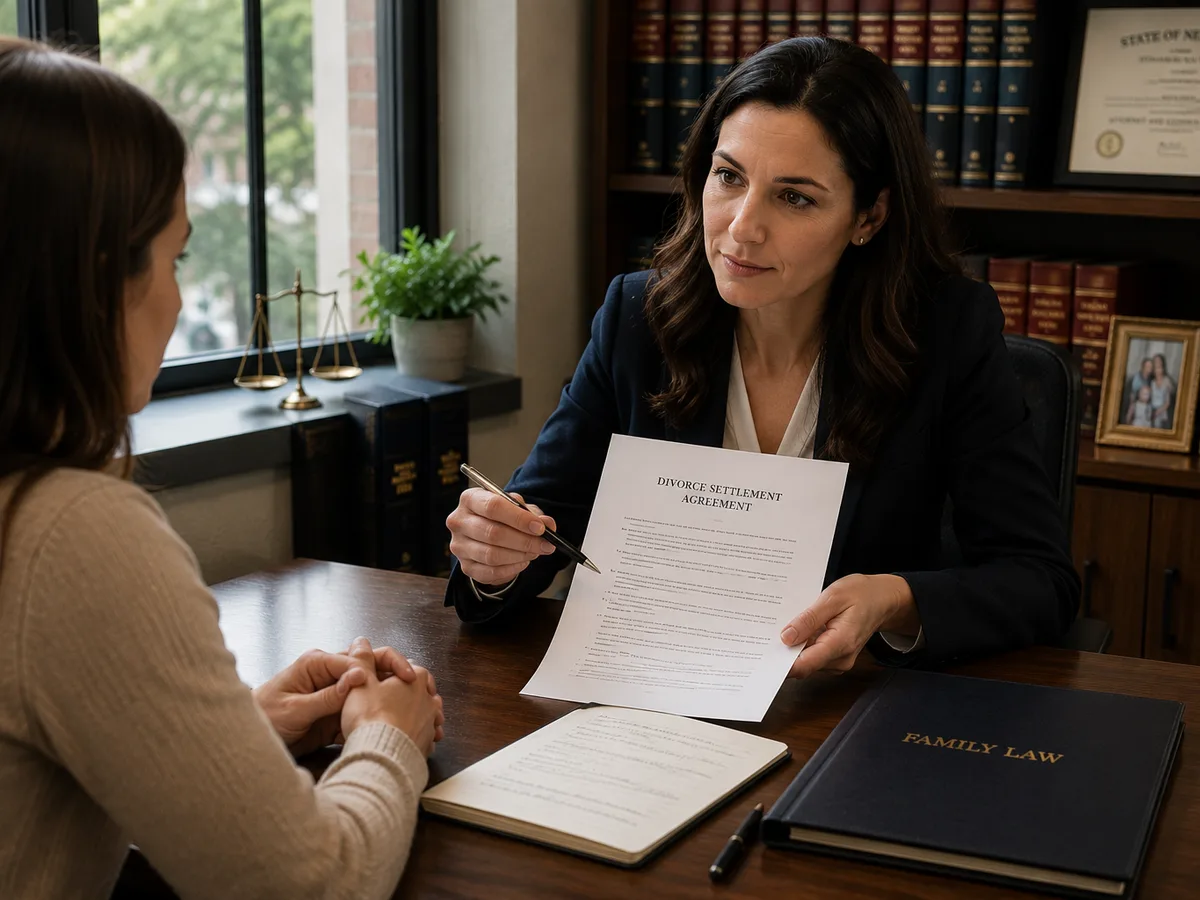
Payments and finances involved in a split-up bring with them their own set of legal woes to deal with. Over time, many parents order a child support plan, which is later difficult to maintain.

Payments and finances involved in a split-up bring with them their own set of legal woes to deal with. Over time, many parents order a child support plan, which is later difficult to maintain. This can stem from a variety of different life circumstances: a job change, medical need, shift in expenses related to a child, etc.
Family Court Act § 451 and Domestic Relations Law § 236(B)(9)(b) set out when a child support order can be modified. A parent may show a substantial change in circumstances, or rely on either of two specific grounds: that three years have passed since the order was entered, last modified, or adjusted, or that either party’s gross income has changed by fifteen percent or more since then. The two grounds are alternatives, not a checklist, and parties can opt out of them by agreement. The court may modify rather than must, so none of this is automatic.
We know how to present these cases with clarity and precision, giving clients an advantage in court.
Under New York Domestic Relations Law § 236, a court may modify a child support order upon a showing of a substantial change in circumstances. This includes:
Incarceration: Incarceration is not considered voluntary unemployment and may be grounds for modification, provided it is not due to non-payment of child support or offenses against the custodial parent or child.
Claiming modification requirements entails submitting various forms of evidence relevant to the case. You will need the following essential primary documents:
These documents help establish the basis for the requested modification and are crucial for the court's consideration.
Small errors cause big delays or case denials.
Common issues include:
We review every detail of the petition before submission. Their legal team prepares clients thoroughly for every stage of the process, from initial filing through final hearing.
No agreement is required for a parent to file. However, if both parties reach a mutual understanding, a joint stipulation can be submitted to the court for faster processing.
We help parents negotiate fair agreements that comply with Family Court Act § 413, allowing for customized child support that still respects legal standards.
Once a new support order is issued, it carries the same legal weight as the original. If the paying parent fails to comply, the receiving parent may take action through:
We remain involved beyond the court order, helping clients enforce their rights through all available legal channels.
Navigating the complexities of child support modifications can be challenging. We offer:
Choosing us ensures that you have a dedicated team working to achieve a favorable outcome in your child support modification case.
Selecting the right legal representation is critical in custody disputes involving restraining orders. Here’s why we are the right choice:
We specialize in family law, particularly in cases involving custody disputes and restraining orders. Our deep understanding of NYC’s legal system ensures that you get the best possible outcome.
With a strong history of success in family court, we have helped many clients achieve favorable results in restraining order and custody cases.
We prioritize your needs, offering a compassionate, client-centered approach that considers the emotional and legal challenges you face.
Above all, we are advocates for your child’s safety and emotional well-being, ensuring that their best interests remain at the forefront.
This article is general information about New York law, not legal advice, and reading it does not create an attorney-client relationship. Every case turns on its own facts. For advice about your situation, call (718) 878-1177 or contact us.

A substantial change can include significant alterations in either parent’s financial situation, the child’s needs, or other relevant factors that impact the original support arrangement.
The duration varies depending on the complexity of the case and court schedules. On average, it may take several months from filing to a final decision.
In some cases, modifications can be agreed upon by both parties and submitted to the court for approval. However, if an agreement cannot be reached, a court hearing is necessary.
If the modified order is not followed, enforcement actions can be taken, including wage garnishment, tax refund interception, or other legal measures.
Generally, child support obligations end when the child turns 21. However, if the child has special needs or other exceptional circumstances, support may continue.
Losing a job alone may not be sufficient grounds for modification. You must demonstrate that the job loss was involuntary and that you have made diligent efforts to secure new employment.
A free consultation is the fastest way to find out where you stand and what your options actually are.