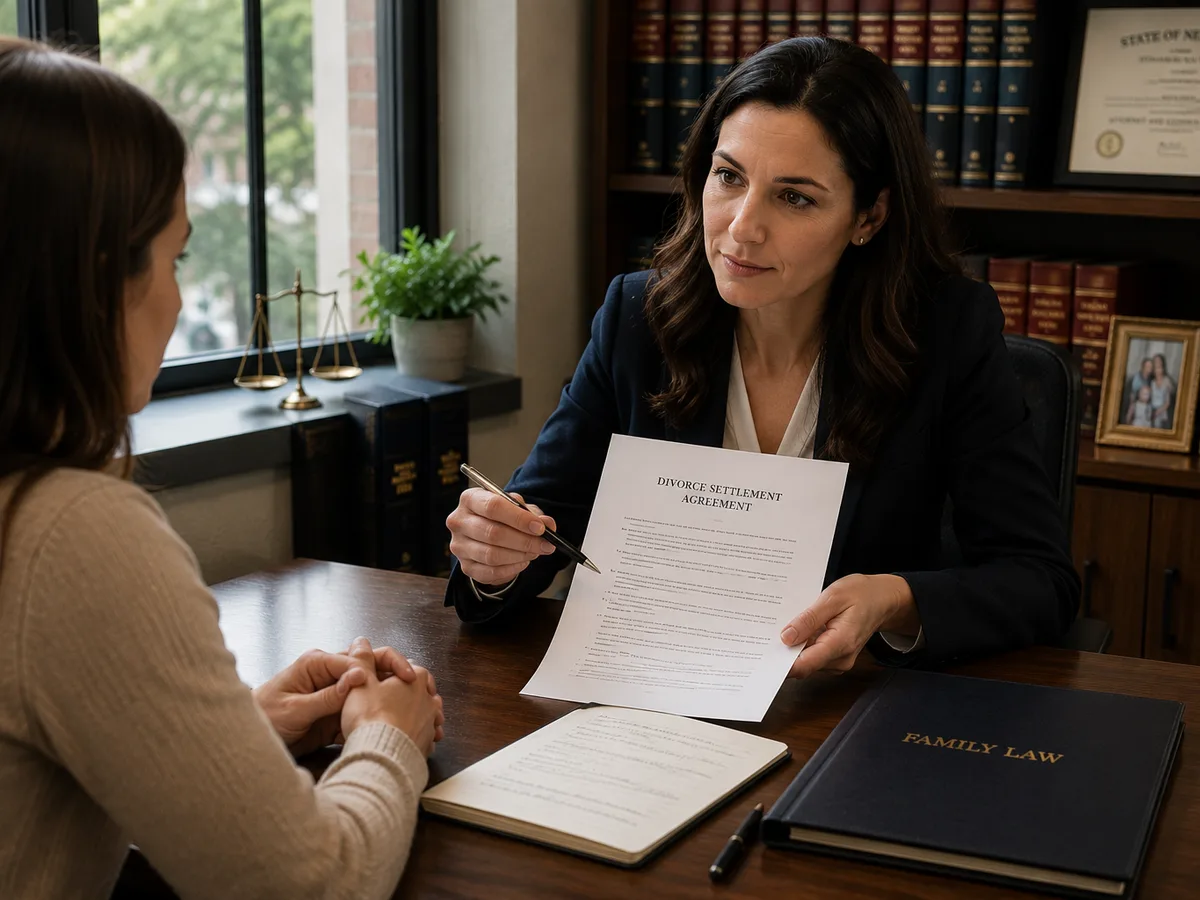
Custody disputes can be emotionally intense and challenging, especially when one party seeks a restraining order.
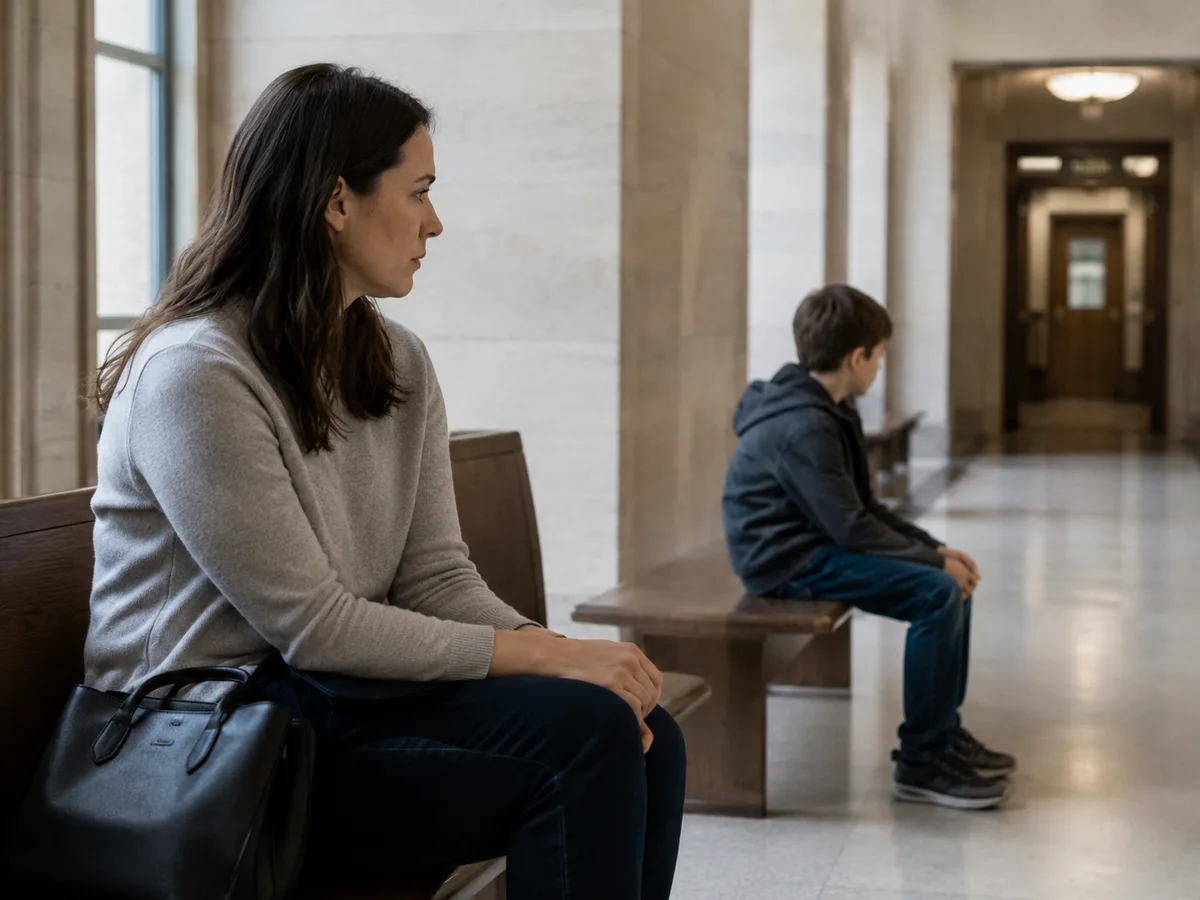
Custody disputes can be emotionally intense and challenging, especially when one party seeks a restraining order. A restraining order in a custody case is designed to protect the safety and well-being of children and parents involved in the dispute.
In New York City, these legal protections follow specific laws and procedures. Understanding the process and implications is crucial.
In this blog, we talk about the various legal aspects surrounding restraining orders in custody disputes. It outlines the process in New York and explains how we can support you through this challenging legal process.
Restraining orders in custody disputes fall under the jurisdiction of family law in New York City.
Orders of protection sit in Article 8 of the Family Court Act. Section 828 lets the court issue a temporary order of protection once a sworn petition is filed, and Section 842 governs the order the court issues after a fact-finding hearing, for up to two years, or up to five where the court finds aggravating circumstances as defined in Section 827(a)(vii). Where custody is already before the court, Domestic Relations Law § 240 also allows an order of protection as part of the custody case.
These orders are designed to prevent harm, harassment, or intimidation and to provide protection for family members involved in custody disputes.
A restraining order in a custody dispute seeks to protect one party from harm or danger posed by the other parent.
Restraining orders are important when one parent has concerns about their child’s safety due to the other parent’s actions or behavior.
New York law recognizes that any act threatening a child’s well-being or emotional stability should be addressed swiftly.
A restraining order can serve as an essential legal tool to protect the child or the custodial parent in such situations.
The legal foundation of restraining orders is based on the principle that a child’s safety and emotional well-being must be prioritized in family-related legal matters.
A restraining order may be granted if there is evidence of potential harm or endangerment to the child or the custodial parent.
In New York City, a restraining order can be issued in custody disputes under the following grounds:
3. Harassment or Intimidation:
4. Substance Abuse or Mental Health Issues:
To request a restraining order, the concerned party must file a petition with the Family Court in the borough where they reside.
The court schedules a hearing to assess the request. This usually happens promptly in urgent cases.
The court may issue a temporary order of protection until the hearing takes place if immediate action is necessary.
During the hearing, the judge will review all evidence, including police reports, witness statements, and other supporting documentation.
If granted, a restraining order may include provisions such as:
No Contact: The restrained parent cannot contact or communicate with the petitioner.
A restraining order can significantly influence custody decisions:
The court may modify custody arrangements to ensure the child’s safety. This could include granting sole custody to the other parent or suspending visitation.
A restraining order can impact visitation, leading to supervised visitation or suspension of visitation rights altogether.
Consequences of Violating a Restraining Order:
If the restraining order is violated, the offending parent may face legal consequences, including criminal charges or a change in custody arrangements.
We understand the emotional and legal complexities that come with custody disputes involving restraining orders. Our team is dedicated to helping families navigate this difficult process. Here’s how we can assist:
We provide expert guidance throughout the process of obtaining or contesting a restraining order. We ensure our clients understand their rights and options.
Whether seeking or defending against a restraining order, we offer skilled representation in court, presenting compelling evidence and arguments.
Our primary focus is on ensuring the safety and well-being of your child, advocating for protective measures when necessary.
We fight for fair custody decisions and ensure that your rights as a parent are protected, even in the context of restraining orders.
Choosing the right legal representation is critical in custody disputes involving restraining orders. Here’s why we are the right choice:
We specialize in family law, particularly in cases involving custody disputes and restraining orders. Our deep understanding of NYC’s legal system ensures that you get the best possible outcome.
With a strong history of success in family court, we have helped many clients achieve favorable results in restraining order and custody cases.
We prioritize your needs, offering a compassionate, client-centered approach that considers the emotional and legal challenges you face.
Above all, we are advocates for your child’s safety and emotional well-being, ensuring that their best interests remain at the forefront.
This article is general information about New York law, not legal advice, and reading it does not create an attorney-client relationship. Every case turns on its own facts. For advice about your situation, call (718) 878-1177 or contact us.

A restraining order is a legal order issued to prevent one parent from contacting or harassing the other parent or child. It is designed to protect in custody disputes where safety is a concern.
To file for a restraining order, you must file a petition with the Family Court in the borough where you reside. The court will then schedule a hearing to evaluate your request.
Yes, a restraining order can modify your custody arrangements, limit visitation rights, or suspend visitation, depending on the severity of the situation.
You will need to provide evidence such as police reports, medical records, witness statements, or any documentation that supports your claim of abuse, threats, or harassment.
Violating a restraining order can result in criminal charges, fines, or a modification of custody arrangements. It may also negatively impact your case in court.
It is possible to represent yourself, but having an experienced lawyer ensures that your case is presented effectively and your rights are protected in court.
A free consultation is the fastest way to find out where you stand and what your options actually are.