Divorce comes with many challenges, and one of the hardest decisions involves moving out of the shared home. This choice has big implications not only emotionally but also legally.
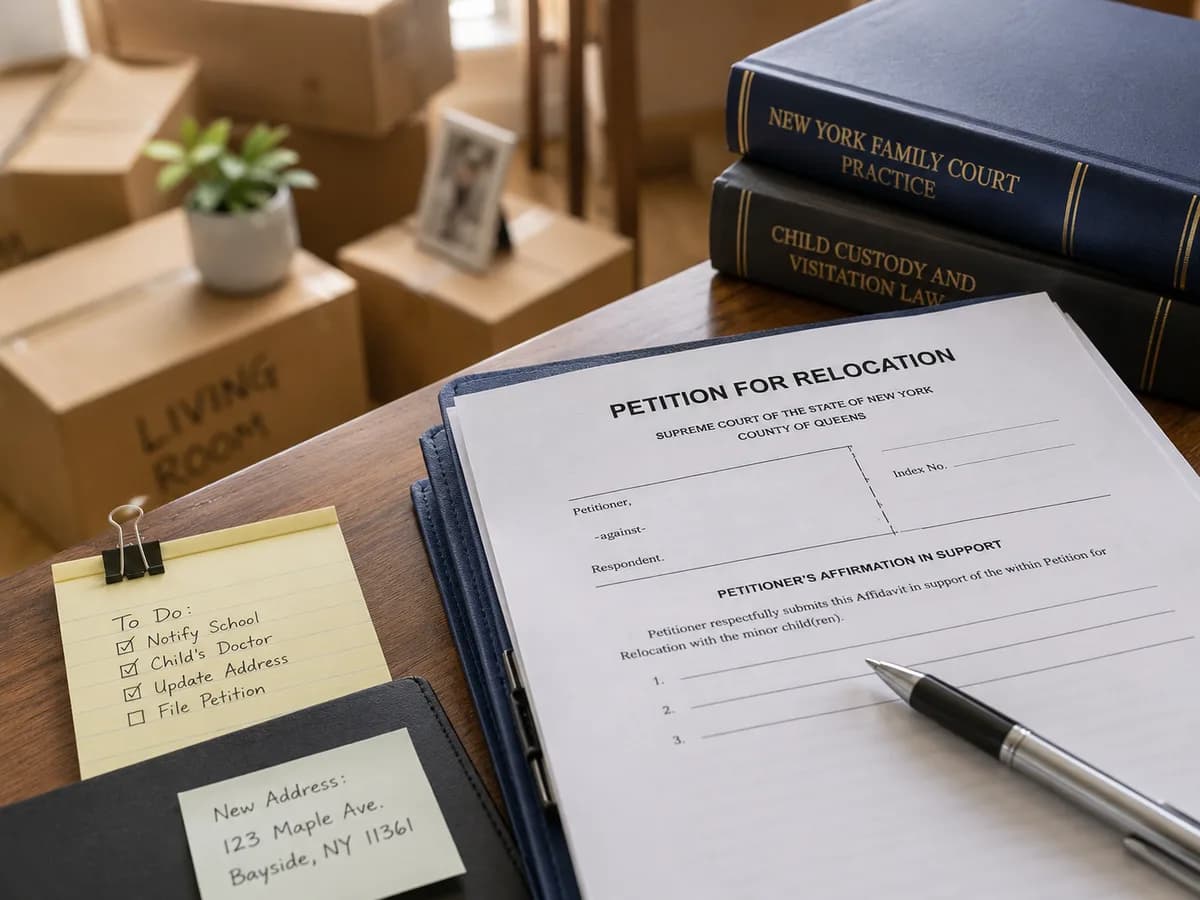
Divorce comes with many challenges, and one of the hardest decisions involves moving out of the shared home. This choice has big implications not only emotionally but also legally. In New York City, understanding your rights and responsibilities during this transition is crucial to avoid costly mistakes.
We specializ in guiding clients through these complex times, protecting your interests from start to finish.
New York follows equitable distribution for dividing marital property. This means assets and debts get divided fairly, though not necessarily equally. The house you shared can become a significant point of contention. Moving out without proper legal advice or agreements can jeopardize your claims to the property or custody arrangements.
Family law in NYC involves various statutes, such as:
Navigating these laws requires expertise. Incorrect moves might weaken your position in custody disputes or property division.
Moving out may feel like relief from tension or conflict. But leaving without clear agreements can create legal headaches. Some common pain points:
Before packing boxes, talk with a lawyer experienced in NYC family law. We offer detailed consultations to assess your situation and map out the best course.
If the relationship is unsafe or hostile, ask the court for exclusive occupancy or a temporary order about the home and custody. These protect your rights during the divorce process.
Keep records of your belongings, the state of the home, and any agreements made. Photos and videos serve as evidence if disputes arise later.
Notify your spouse, children’s schools, and relevant institutions about your change of address. This helps prevent miscommunications in custody or support matters.
Maintain respectful contact with your spouse about moving and custody plans. Courts appreciate parents who act in good faith regarding children.
Plan your finances carefully to handle rent, deposits, and moving costs. We can connect you with financial advisors who specialize in divorce.
Leaving without a clear plan risks losing rights to the home or custody. Avoid impulsive decisions fueled by emotions.
Relocating kids without consent or court permission can lead to accusations of parental kidnapping, harming custody outcomes.
Removing furniture or valuables without agreement may escalate conflicts and lead to legal battles.
Failing to comply with temporary custody or support orders could result in penalties or loss of parental rights.
Avoid sharing details on social media. Courts monitor these platforms and such posts can negatively affect your case.
Divorce is draining. Seek counseling or support groups to maintain strength during transitions.
We understand the emotional and legal complexity of moving out during a divorce in NYC. Our family law attorneys specialize in helping clients:
Choosing the right attorney during divorce matters greatly. We stand out for these reasons:
We become more than your lawyer, we become your trusted advocate in a challenging time.
This article is general information about New York law, not legal advice, and reading it does not create an attorney-client relationship. Every case turns on its own facts. For advice about your situation, call (718) 878-1177 or contact us.

You may move out, but without agreements or court orders, you risk losing claims to the home or custody rights. Always consult an attorney first.
Courts assess the child’s best interests, including stability. Moving out without notice or plans can hurt your custody position.
Ownership doesn’t automatically give either spouse the right to exclusive possession. Court orders or agreements are necessary to clarify residency during divorce.
Personal property disputes are common. It is best to agree on what stays and goes, or get court help to avoid accusations of theft.
Keep detailed records, consult your attorney, and seek court orders related to property and support payments.
Inform your attorney immediately. You may request emergency court orders or assistance to move safely.
A free consultation is the fastest way to find out where you stand and what your options actually are.