Relocating with children in New York City means facing a web of legal requirements that protect the child’s best interests and parental rights.
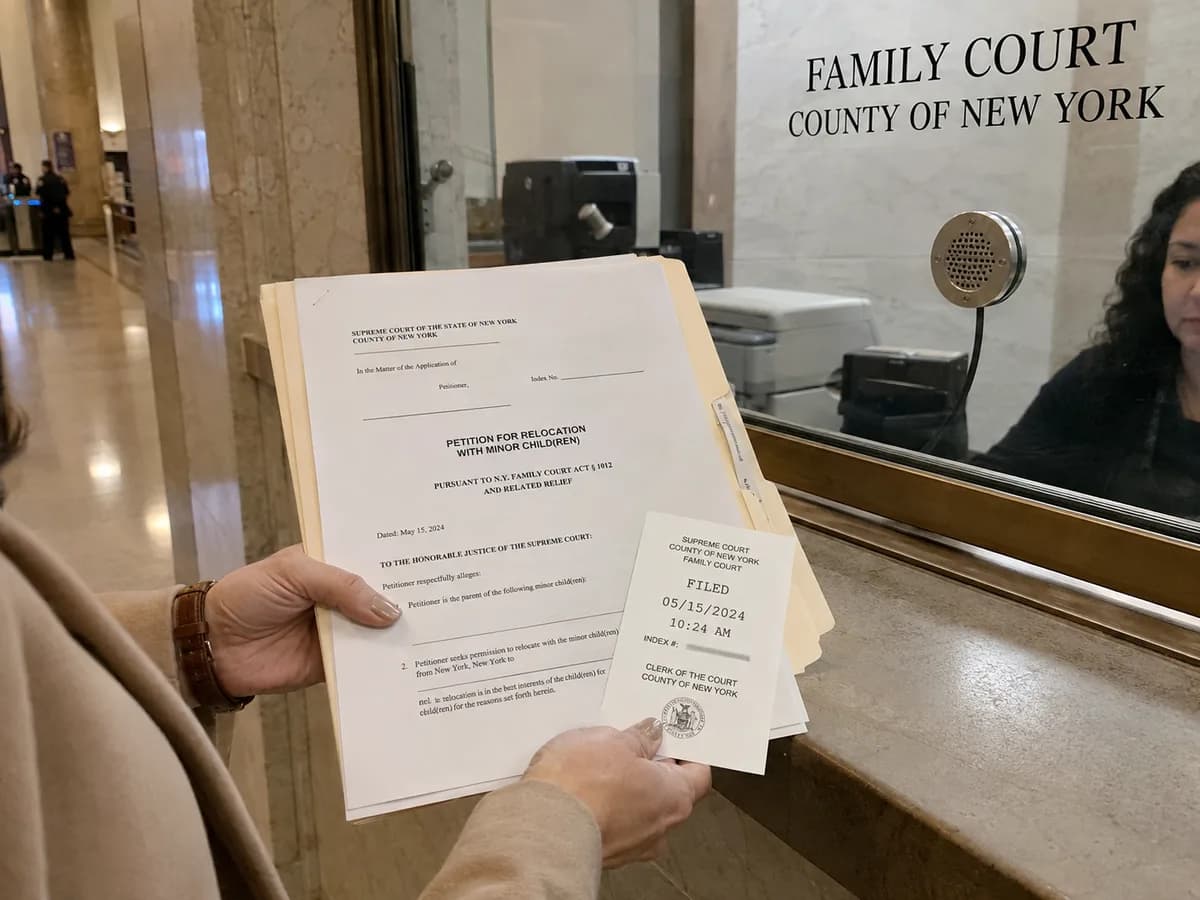
Relocating with children in New York City means facing a web of legal requirements that protect the child’s best interests and parental rights. Parents planning to move must fully understand the laws governing custody, visitation, and relocation. Failure to comply can lead to costly, stressful legal battles. This post provides a comprehensive overview of all essential laws, court procedures, and parental obligations related to child relocation in New York State.
It also explains how we can help clients navigate these complex issues successfully, protecting their rights and ensuring smooth transitions
New York’s laws require parents who share custody or visitation rights to notify the other parent about plans to relocate. The courts weigh each relocation request carefully because moving affects a child’s routine, schooling, and relationship with both parents. Understanding your legal rights and obligations before initiating a move prevents costly mistakes and preserves your relationship with your child.
When a parent wants to relocate with their child, several critical legal points arise:
Parental Rights and Custody Types
Custody can be:
A parent with sole physical custody usually needs court permission to relocate if the other parent has visitation or legal custody. In joint custody cases, both parents’ consent and involvement are vital.
Courts apply a multi-factor balancing test focused on the child’s best interests, examining:
Motivation behind the move to ensure it is genuine and not to alienate the other parent.
Relocation typically requires changes to existing custody or visitation orders. Courts ensure:
Parents can negotiate new arrangements or rely on court decisions to establish visitation that works post-move.
If a parent relocates without notice or court approval, the other parent can:
Relocation disputes create stress and challenges for parents, including:
The legal process includes:
6.Enforcement of Orders: Both parents must follow court orders or face penalties.
We offer expert legal support tailored to relocation disputes by:
We stand out because:
This article is general information about New York law, not legal advice, and reading it does not create an attorney-client relationship. Every case turns on its own facts. For advice about your situation, call (718) 878-1177 or contact us.

That depends on your own custody order or agreement rather than on a statute. New York does not impose a general notice period for relocation, so the requirement, if there is one, is written into your order, and it may also restrict how far you can move at all. If your order is silent, you generally need the other parent’s written consent or the court’s permission before moving, and it is worth asking well before you commit to a date.
You may need to petition the court to modify custody or visitation. The court decides based on the child’s best interests.
Yes. If the court believes the move harms the child’s welfare or parental relationship, it can deny the request.
You risk legal penalties, contempt charges, and possible orders to return the child to the original home.
The court may consider the child’s preferences depending on age and maturity, but it is only one factor.
We guide you through legal steps, prepare all documents, advocates for your rights, and negotiate visitation to protect your relationship with your child.
A free consultation is the fastest way to find out where you stand and what your options actually are.