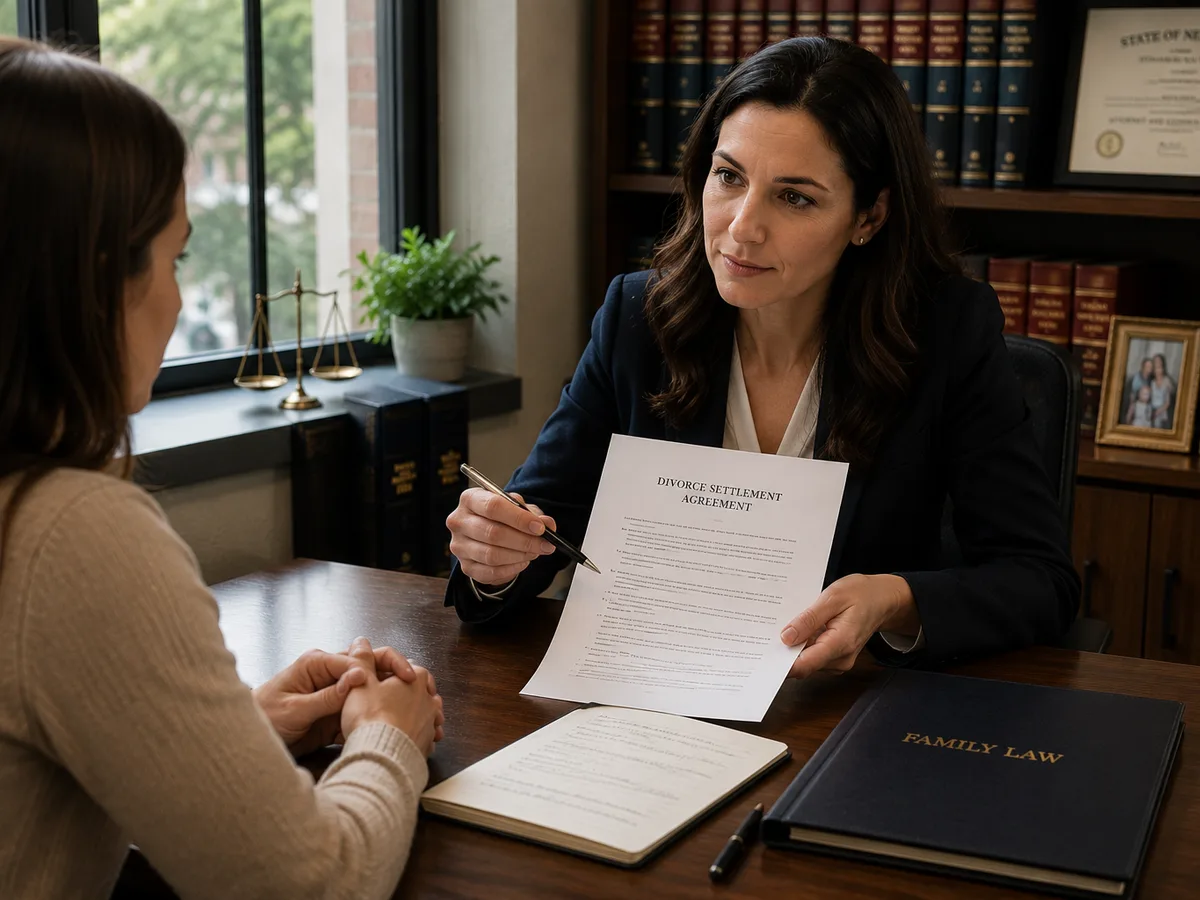
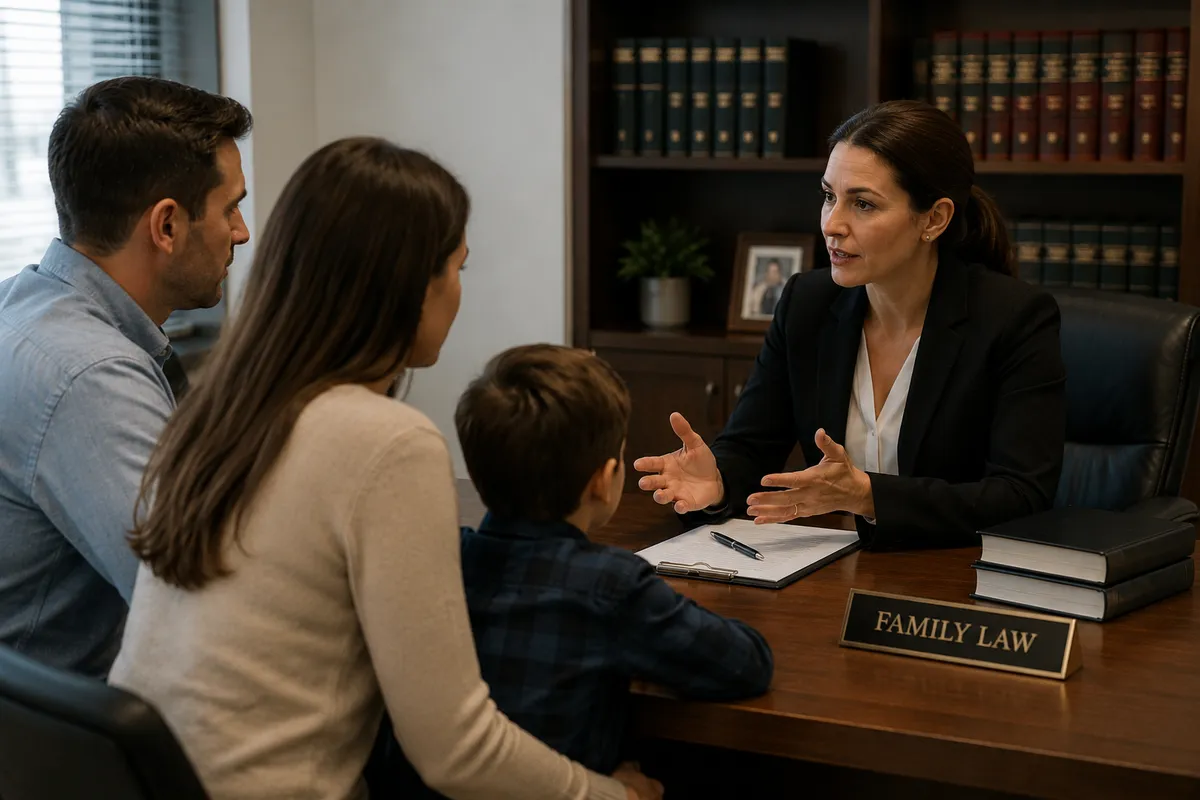
School transitions during divorce bring disruption, uncertainty, and tension. These effects show up at home, in classrooms, and courtrooms.
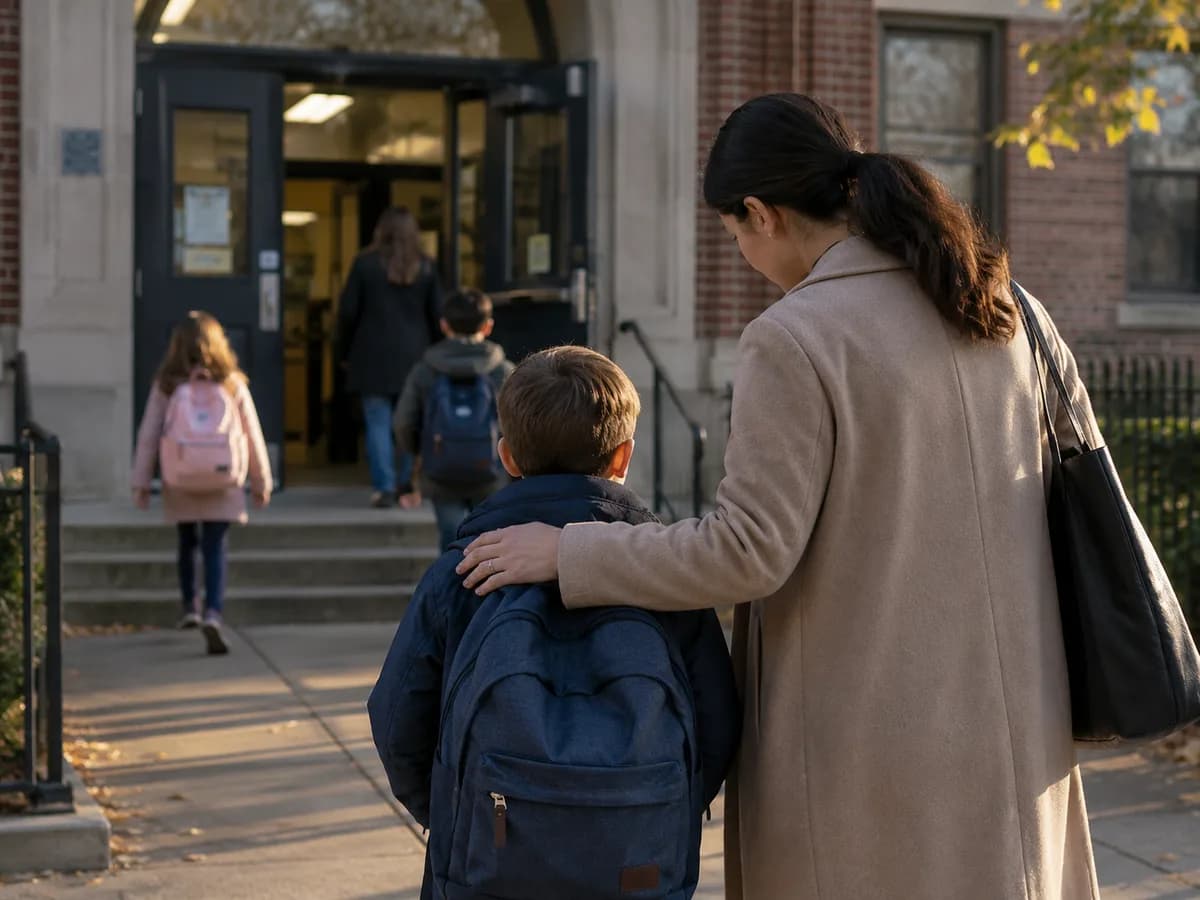
School transitions during divorce bring disruption, uncertainty, and tension. These effects show up at home, in classrooms, and courtrooms. In New York City, the law demands clarity in how parents handle school-related decisions. When this clarity is lacking, children suffer.
We work directly with NYC families who face these transitions. Their mission stays grounded in protecting children and preserving rights.
Legal custody refers to the right to make decisions about a child’s life, including school enrollment, educational approach, and participation in special programs. One parent may hold this authority, or both may share it. When parents hold joint legal custody, they must cooperate on every major educational decision.
Conflicts emerge when one parent acts alone. Without legal authority or court approval, such decisions risk rejection by the school or reversal in court.
Physical custody refers to where the child lives. In NYC, public schools assign children based on official residence. Without agreement on the child’s primary address, enrollment may become impossible. Some parents attempt to register children under addresses not approved by the court. This creates delays, suspensions, and, at times, investigations.
When physical custody remains unsettled, children may end up in school limbo. This breaks routines, increases anxiety, and interferes with learning.
In relocation cases, one parent moves with the child to a different borough or out of state. Relocation affects school zones, district rules, bus access, and custody schedules. The court reviews many factors in relocation hearings. These include distance, parental involvement, school performance, and the emotional impact of change.
We work on relocation strategy with full attention to school disruption. They use evidence from teachers, counselors, and parenting experts to support or block a move.
The law protects the educational rights of both parents. These include access to report cards, meetings with teachers, and school communication. Schools require legal documents to confirm each parent’s role. Without court-approved custody language, schools follow their policies, which may exclude one parent or delay involvement.
Children express resistance through school refusal. Morning fights, stomachaches, and breakdowns show up during exchanges between households. Divorce-related stress affects attendance and behavior.
When parents disagree about where the child lives or which school fits best, they block enrollment. Every day missed increases academic gaps and builds frustration.
IEP meetings require parental input. When parents disagree on services or delay signature forms, the child goes without help. This issue affects children with ADHD, autism, speech delays, or emotional regulation struggles.
Teachers and principals need clear legal guidance. If the custody agreement lacks detail, schools take their path. That results in one parent being excluded or school records being sent to the wrong address.
Parents want to attend plays, games, or award ceremonies. Without a shared calendar or agreed plan, one parent misses out. That hurts both child and parent emotionally.
Uniforms, tutoring, trips, test prep, and technology come with extra costs. Parents without a court order fight over who pays. Children feel this tension and sometimes miss opportunities.
We approach each case with precision and child-focused planning.
Full Legal Review and Custody Planning
We begin with a custody analysis that includes legal custody, physical custody, and current school involvement. Attorneys review every clause to detect gaps that affect school rights and responsibilities.
Emergency Court Filings for Urgent School Issues
Some cases demand court intervention. We prepare filings for school placement disputes, IEP disagreements, and emergency relocation blocks. Timing matters. This firm responds fast.
Custody Agreements With Clear School Clauses
Every custody plan prepared by us includes direct language about school enrollment, educational rights, communication standards, and dispute resolution steps. These clauses give schools the legal certainty they require.
Special Education Advocacy
Children with special needs need structure. We work with school districts, medical experts, and educational advocates to secure services during family conflict. They support IEP meetings, enforce compliance, and challenge inappropriate service denial.
Mediation Support
Some parents avoid court. We provide mediation support, working with both sides to reach school-related agreements. This route reduces cost, emotional damage, and delays.
This article is general information about New York law, not legal advice, and reading it does not create an attorney-client relationship. Every case turns on its own facts. For advice about your situation, call (718) 878-1177 or contact us.

Both parents must agree. If one objects, no change can occur without court approval.
Court action becomes necessary. We file immediate petitions to restore the child or block relocation.
Unless restricted by the court, both may attend. Schools follow court orders, not verbal agreements.
Legal documents must show your custody rights. We provide certified orders for schools and handle school outreach.
Unless included in a support order, these costs remain disputed. We prepare support petitions to address this.
Timing depends on the issue. Emergency hearings occur within days. Standard school placement disputes take longer. We push for fast scheduling.
A free consultation is the fastest way to find out where you stand and what your options actually are.