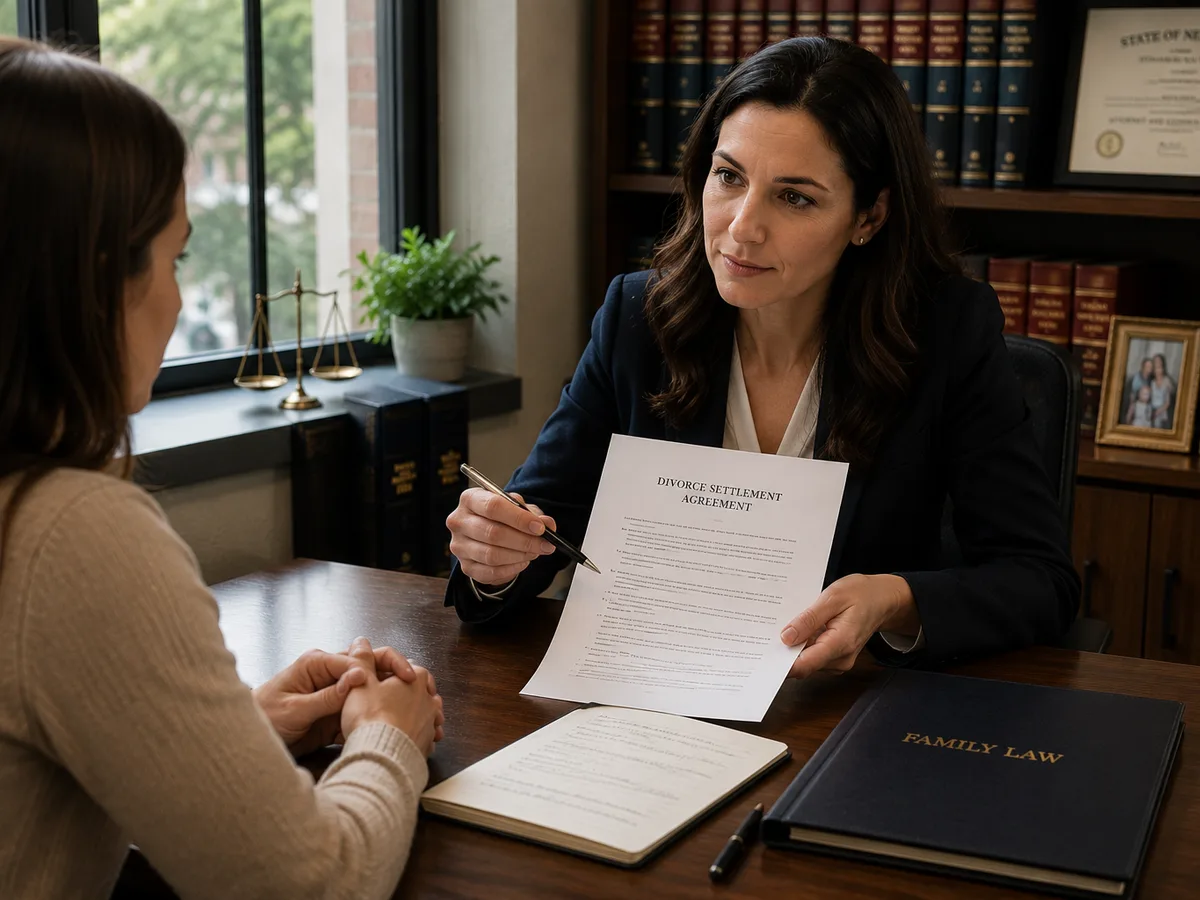
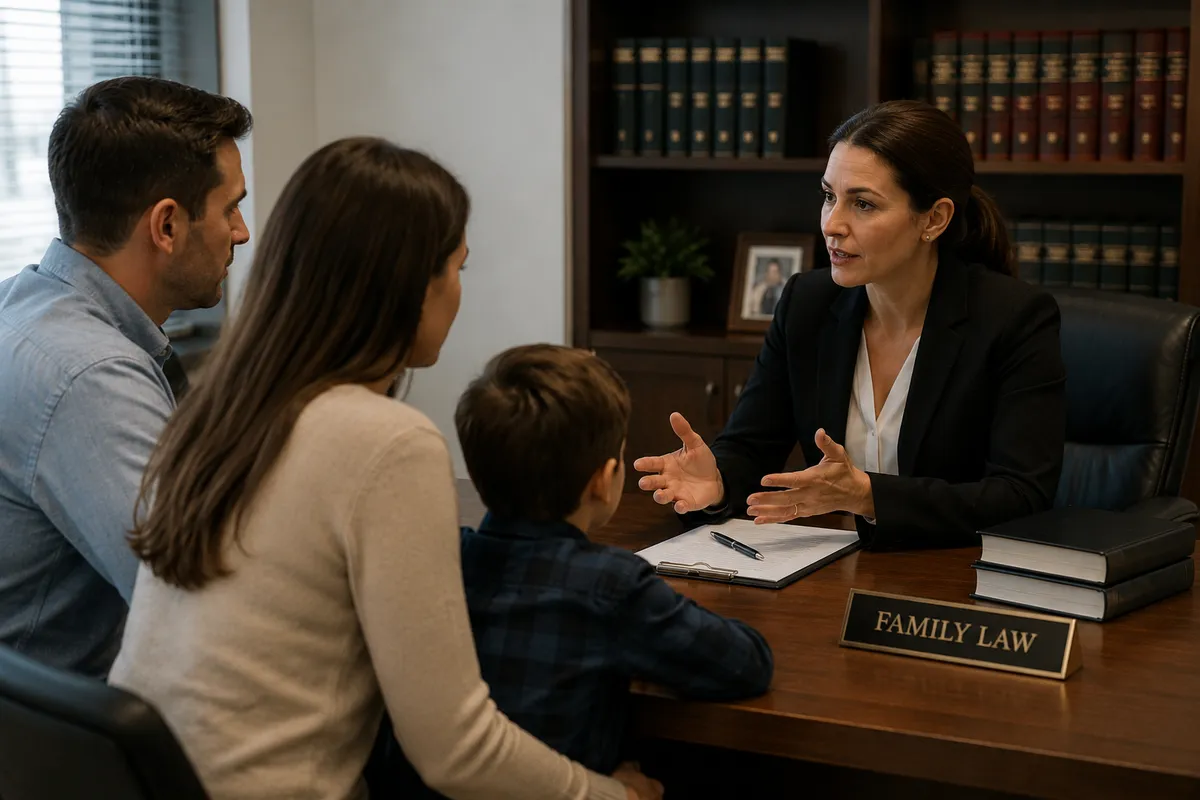
Divorce can have a significant impact on children, particularly when it comes to their daily routines.

Divorce can have a significant impact on children, particularly when it comes to their daily routines. In New York City, child custody and visitation laws are designed to ensure that children’s best interests remain the primary concern. However, the emotional and practical adjustments required after a divorce can be overwhelming for children.
We understand the difficulties families face during this challenging transition. We specialize in child custody and visitation cases, offering experienced legal support to help you protect your child’s well-being.
This blog will examine how divorce can impact your child’s daily routine, the legal framework for child custody and visitation in NYC, and how we can support you during this time.
When parents divorce, it often results in changes to the routines children have come to know. The adjustments they must make can be emotionally and practically difficult. Below are some ways divorce impacts children's daily lives:
After a divorce, children may find themselves in different living situations, with one parent often having primary custody. This means that children must adapt to new environments, schedules, and routines, which can be disorienting, especially for younger children. In New York, courts take into account the child’s stability when making custody decisions, but the transition period can still be difficult.
Children of divorced parents may have to split their time between two households, requiring adjustments to everything from bedtime routines to daily meals. This means that children experience different rules and expectations in each home, which can cause confusion or stress.
With the change in living arrangements, children’s social activities may also be affected. Dividing time between parents can lead to difficulties in scheduling play dates, extracurricular activities, and visits with extended family. Children might feel the loss of routine social interactions they were once accustomed to.
The emotional and psychological impact of divorce can interfere with a child’s school performance. Children may have trouble focusing on their schoolwork or experience difficulty with attendance, especially if the divorce involves significant changes in living arrangements or emotional distress.
Divorce can create emotional stress for children. They may feel sadness, anger, confusion, or anxiety as they adjust to the new family dynamics. Children who are used to a certain routine might experience emotional instability as they adapt to the changes brought on by divorce.
In New York City, the law prioritizes the child’s best interests when determining custody and visitation arrangements. The legal system seeks to ensure that children maintain a healthy relationship with both parents, whenever possible. Here are the key legal considerations related to child custody and visitation in NYC:
According to New York Domestic Relations Law Section 240, custody is determined based on the child’s best interests. There are two types of custody:
In NYC, visitation allows the non-custodial parent to spend time with their child. Courts typically favor visitation arrangements that enable children to maintain strong, ongoing relationships with both parents. In some cases, visitation may be supervised if there are concerns regarding the child’s safety or well-being.
As circumstances change, parents may need to modify custody or visitation orders. If there is a significant change in either parent’s situation, such as relocation or changes in the child’s needs, a parent can petition the court for a modification. The court will always review whether the change is in the child’s best interests.
If the custodial parent wishes to move out of state or far away, the court will assess whether the relocation serves the child’s best interests. In Tropea v. Tropea, 87 N.Y.2d 727 (1996), the New York Court of Appeals rejected any fixed test for these cases and held that each relocation request is decided on its own facts, by a preponderance of the evidence, against a single question: whether the move serves the child’s best interests. The other parent can oppose the move, and the effect on their time with the child is one of the factors the court weighs, but it is not decisive on its own.
Child support and custody are interconnected. Custodial parents often receive child support payments from the non-custodial parent. The amount is determined based on the New York Child Support Standards Act, which considers both parents’ incomes and the needs of the child.
While divorce brings many changes, there are ways to help manage the impact on your child's routine. Here are some tips to help ease the transition for your children:
Consistency is key to helping children feel secure after a divorce. Keep routines for meals, bedtime, homework, and weekends as predictable as possible. A stable routine can provide comfort and help children adjust more easily.
Open communication between parents is vital for ensuring your child’s routines remain stable. Coordinate key events such as doctor appointments, school activities, and extracurriculars. Keeping both parents informed helps maintain a consistent approach to your child’s schedule.
Emotional support is critical. If your child is struggling with the changes brought by the divorce, consider seeking professional help. A therapist or counselor can assist in helping your child healthily process their emotions.
Children can be deeply affected by the conflict between parents. Avoid discussing contentious issues like custody or visitation in front of your child. This can help reduce their stress and prevent them from feeling caught in the middle.
If you and your ex-spouse have difficulty agreeing on custody or visitation arrangements, co-parenting mediation may help. A neutral mediator can assist both parties in reaching a workable agreement that prioritizes the child’s needs.
Navigating child custody and visitation issues can be overwhelming, but we are here to provide expert legal support every step of the way. Here’s how we can help:
Our experienced attorneys understand the complexities of New York’s child custody and visitation laws. We provide clear, informed guidance throughout the process to ensure your case is handled professionally and efficiently.
We work with families to create customized custody arrangements that prioritize the child’s well-being. Our legal team ensures that the plan reflects your family’s unique situation and meets the best interests of the child.
Your child’s best interests are our top priority. We advocate for your child’s emotional and physical needs, ensuring they have a stable and supportive environment, even after the divorce.
We help facilitate mediation and negotiations between parents to develop a co-parenting plan. This approach aims to reduce conflict while ensuring that your child’s needs are met.
If necessary, we are prepared to represent you in court to advocate for the best possible outcome for your child. Our team has extensive experience handling child custody and visitation cases in NYC courts.
We help parents request modifications to existing custody and visitation orders when circumstances change. Whether it’s due to a parent’s relocation, a child’s evolving needs, or another significant change, we can assist in ensuring the best interests of your child continue to be met.
This article is general information about New York law, not legal advice, and reading it does not create an attorney-client relationship. Every case turns on its own facts. For advice about your situation, call (718) 878-1177 or contact us.

Physical custody refers to where the child lives, while legal custody pertains to the right to make decisions about the child’s welfare, such as education and healthcare.
The court bases visitation on what best serves the child’s well-being, ensuring that the child maintains a relationship with both parents when it is safe and beneficial.
Yes, if there is a significant change in circumstances, either parent can petition the court for a modification of the custody or visitation order.
Factors include the child’s emotional needs, the ability of each parent to care for the child, the child’s relationship with both parents, and any history of abuse or neglect.
We provide expert legal representation, mediation services, and support throughout the custody and visitation process to ensure your child’s best interests are protected.
A free consultation is the fastest way to find out where you stand and what your options actually are.