Domestic Violence in the Context of Family Law
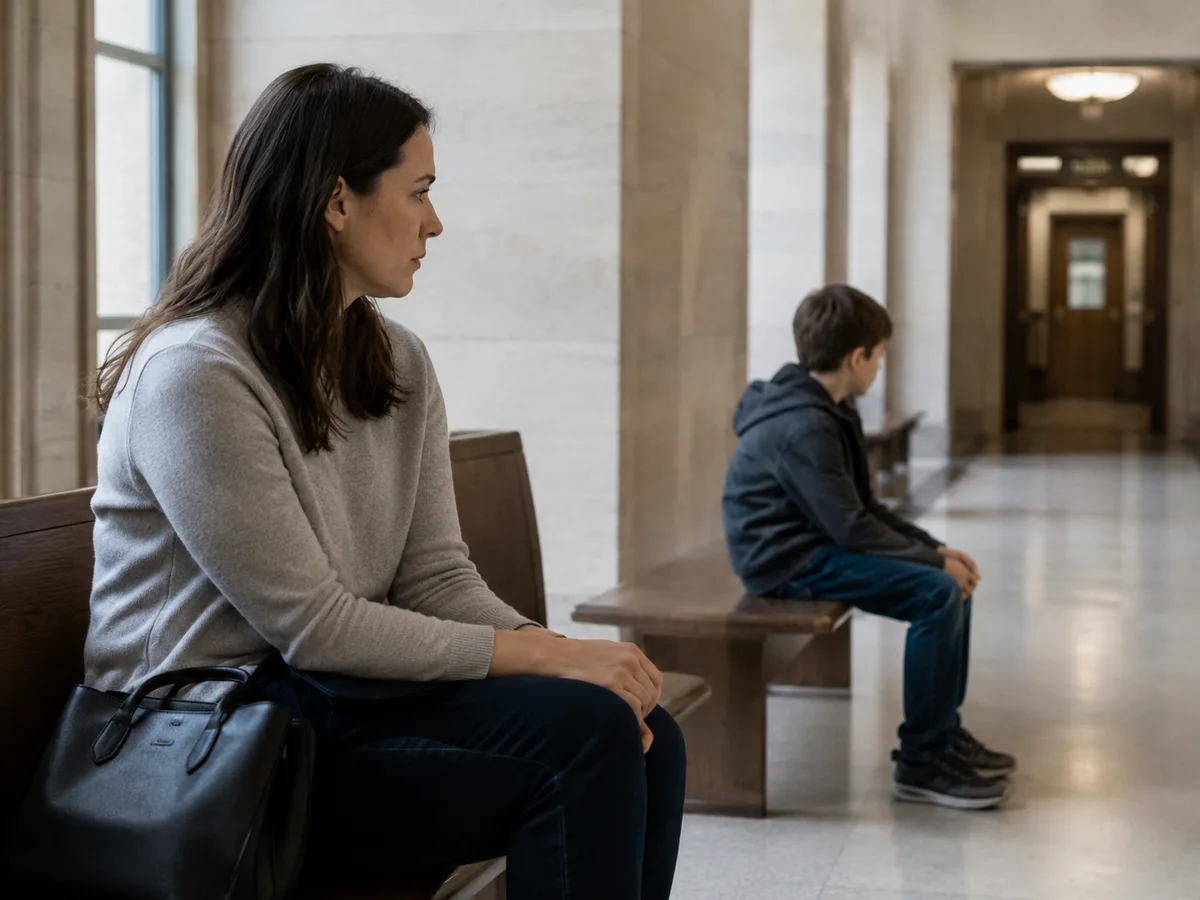
Domestic Violence in the Context of Family Law
Domestic violence includes physical harm, threats, emotional abuse, harassment, stalking, and other harmful behaviors within a household or intimate relationship. In custody cases, these actions create serious legal implications, especially when a child’s safety or exposure to abuse is involved.
The New York Family Court Act defines domestic violence under Article 8, granting protections to spouses, former spouses, family members, and individuals who share a child. Section 812 outlines the jurisdiction of the Family Court in matters involving "members of the same family or household."
These protections apply when someone faces abuse from:
New York Domestic Relations Law § 240(1)
This law guides custody decisions in divorce and separation cases. It requires courts to consider any allegations or findings of domestic violence, regardless of the presence of a criminal conviction. Section 240 states that the child’s best interests take priority and directs judges to examine the totality of circumstances, including the safety of both the child and the parent seeking custody.
Family Court Act § 842
This section permits courts to issue orders of protection to prevent further acts of domestic violence. The order may include restrictions on contact, exclusion from the home, and limitations on custody or visitation if necessary for safety.
Social Services Law § 459-a
This law ensures that domestic violence victims have access to support services, including emergency shelter, counseling, and legal advocacy. These resources often intersect with custody cases, especially when emergency safety planning affects parenting time or child exchange arrangements.
New York judges use several key factors to evaluate the best interests of a child in any custody matter:
Courts will never prioritize parental preference over the child’s welfare. In domestic violence cases, even one incident can carry serious consequences in custody disputes, especially if it places the child at risk.
If a parent receives an order of protection, the court may impose additional measures to ensure the child’s safety. These include:
Physical violence is not the only form of domestic abuse. Family courts also recognize the emotional and psychological toll that verbal abuse, intimidation, coercive control, and financial abuse can have on both the parent and the child. A parent need not show bruises or hospital records to prove harm. Consistent testimony, documented threats, witness statements, and therapist evaluations can help build a compelling case.
Worried parents about domestic violence need to gather and give clear proof. Such information aids the court in making decisions favorable to the child's needs. Helpful information consists of:
We work closely with clients to gather this information, secure expert testimony, and organize evidence into a persuasive legal strategy.
As troubling as domestic violence is, the problems a parent faces when custody disputes arise is deeper and multifaceted. The problems may include the following:
We take special care to understand all these issues, balancing the client's legal safety and emotional wellness throughout litigation.
We serve individuals across New York City with personalized legal care in custody and domestic violence cases. Our attorneys provide:
Every case receives dedicated attention. We handle complex family law issues with the professionalism, urgency, and compassion required for sensitive matters.
This article is general information about New York law, not legal advice, and reading it does not create an attorney-client relationship. Every case turns on its own facts. For advice about your situation, call (718) 878-1177 or contact us.

Yes. Courts can deny joint custody when one parent has a record of violence or intimidation that compromises the child’s safety or disrupts co-parenting efforts.
The court takes the order into account. It may result in restricted or supervised visitation and affect final custody arrangements.
Yes. Family Court allows both petitions simultaneously. We can help coordinate the filings to maximize protection.
The timeline depends on the complexity of the case and available evidence. Emergency hearings may happen within days, but full custody trials can take several months
Judges try to avoid putting children on the stand. If necessary, the child may speak privately with the judge or through a court-appointed attorney (Attorney for the Child).
Yes, but with restrictions. Courts may order supervised visits or limit interaction based on risk assessments.
A free consultation is the fastest way to find out where you stand and what your options actually are.